
Saltwater Fishing Poles 101: A Beginner’s Guide to Choosing the Right Rod
Choosing a saltwater fishing pole can feel confusing when you’re new to sea fishing. You might look at a rod and wonder, “Is this actually right for the ocean, or is it just a fancy freshwater stick in disguise?” Salt water wears down gear faster, and the fish you hook in the sea often fight with a lot more power. That means you need a rod that can keep up. If you’ve never bought saltwater gear before, it’s easy to feel lost in the options. Don’t worry—you don’t need years of experience to make a good choice.
What Is a Saltwater Pole?
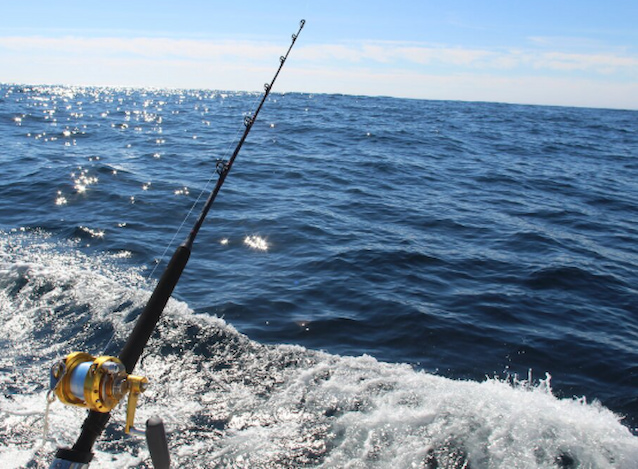
Salt water fishing rods are designed to handle the tougher conditions of the sea. Salt water corrodes metal quickly, so the components need to resist rust. The rod also has to cope with stronger fish and heavier lines. That’s why manufacturers build these rods with sturdier materials and more durable hardware.
Key Features You Should Look For
Corrosion-Resistant Parts
The guides, reel seat, and fittings should be stainless steel, aluminum, titanium, or coated metals. These materials stand up to salt exposure much better than standard steel.
Strong Rod Blanks
Manufacturers usually use graphite, fibreglass, or a blend of the two. Graphite feels lighter and more sensitive. Fibreglass is tougher and more forgiving. A composite rod mixes the benefits of both.
Smooth, Durable Guides
Your line moves through the guides every time you cast or fight a fish. Strong guides help prevent line wear, especially when a fish pulls hard.
Comfortable grips
EVA foam and cork are common materials. Both give you a firm hold even when your hands get wet or sandy.
Types of Saltwater Poles
When you start browsing for salt water fishing poles, you’ll notice several types. Each one suits a different way of fishing. Understanding them can help you choose a rod that fits your plans.
Inshore Rods
Inshore rods work well along the coastline, inside bays, and around docks or jetties. They usually run between 6’6” and 7’6”. Most have medium power and a fast or moderate action. They suit fish such as redfish, sea trout, bass, and flounder.
Surf Rods
Surf rods help you cast far from the beach. They’re long and powerful, often between 9 and 12 feet. The extra length helps you throw heavier weights past breaking waves. They come in handy when you want to feed fish behind the surf line.
Offshore Rods
Offshore rods work best from a boat in deeper water. They’re shorter than surf rods but much stronger. These rods handle heavier lines and bigger species like tuna, grouper, and mahi-mahi. Their strength helps you control powerful fish that dive deep or run fast.
Jigging Rods
Jigging rods suit vertical jigging techniques, where you drop a lure straight down and move it to mimic wounded prey. They’re compact, lightweight, and incredibly strong. Many anglers use them for snapper, amberjack, and similar species.
Trolling Rods
Trolling rods do their job while the boat moves. They support large reels and heavy line and have reinforced guides. This build helps you manage fast strikes from species like kingfish, wahoo, and marlin.
Choosing Based on Your Fishing Style
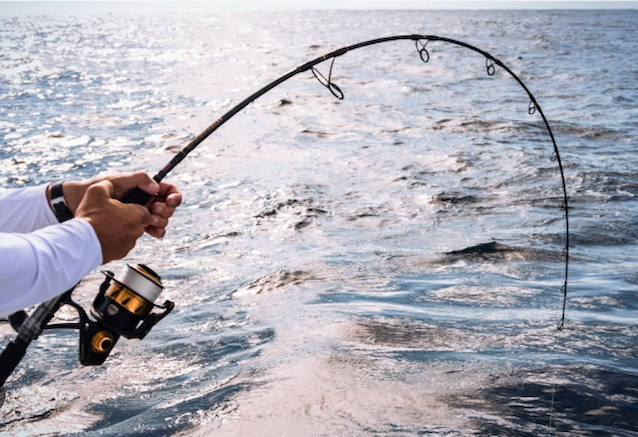
Once you understand the different rod types, you can narrow down your choice by thinking about how you plan to fish.
Where You’ll Fish
Your fishing spot influences the rod you choose.
- If you plan to fish from the shore, a surf rod helps you reach deeper water.
- If you prefer piers, harbours, or calm shorelines, an inshore rod feels easier to handle.
- If you book a trip offshore, you’ll need a rod built for strong, fast fish.
The Species You Want to Catch
Your target species affects the rod power you need.
- Lighter fish, such as mackerel or whiting, match well with medium-light or medium power rods.
- Mid-sized fish, like redfish or bluefish, suit medium to medium-heavy rods.
- Large species, such as tarpon or tuna, require heavy or extra-heavy rods.
Your Experience Level
A well-balanced rod helps you learn faster. A graphite rod gives you sensitivity, which makes it easier to feel bites. A fibreglass rod forgives mistakes and stands up to rough handling. A composite rod blends both traits and often feels like the easiest option for beginners.
Comfort and Practicality
Pick a rod that feels good in your hands.
- Check the grip material, the rod weight, and how the rod balances with your reel.
- If you plan to travel with your gear, a two-piece rod may make things simpler.
Common Beginner Mistakes to Avoid
Beginners often run into the same problems when picking out their first rod. Avoiding these mistakes saves you frustration and money.
- Using a freshwater rod in salt water: Freshwater rods corrode quickly and can’t handle strong, fast saltwater species.
- Choosing a rod that’s too heavy: A heavy rod reduces sensitivity and makes casting harder. Most beginners do better with medium or medium-heavy power.
- Mismatching the reel: Your reel should match your rod’s power and line rating. An unbalanced setup makes casting and fighting fish difficult.
- Skipping maintenance: Salt residue leads to corrosion. Rinse your rod with fresh water after each trip and wipe it down to keep it in good condition.
- Ignoring comfort: If the rod feels awkward, unbalanced, or too stiff, you won’t enjoy fishing. Comfort affects your control and confidence.
Conclusion
Choosing your salt water fishing rods feels much easier once you understand what makes these rods different. You now know what a saltwater pole is, the main types you can buy, and how to match a rod to your fishing style. You also know the common mistakes that many beginners make and how to avoid them.
When you’re ready to explore different salt water fishing poles, take your time and compare the features that matter most to you. Look closely at the build quality, the comfort, and the type of fishing you want to try. With a bit of practice, you’ll get the hang of the gear and start enjoying the thrill of saltwater fishing.


About Author

alex
?You can always edit a bad page. You can’t edit a blank page. Likes: ❤️ Beer ?, Pizza ? Dislikes:? Mice?, Barber ? Favorite song: ? Hurts - Wonderful Life