
Precision Over Impulse: A Guide to Choosing the Right Rifle
Choosing a firearm is not about chasing novelty or grabbing the first option that looks impressive. A rifle is a precision tool, and the decision to purchase one should reflect clarity of purpose. Whether the aim is sport shooting, hunting, or building a collection, the right choice comes from understanding how each factor, including function, feel, and construction, aligns with your needs.
Function First
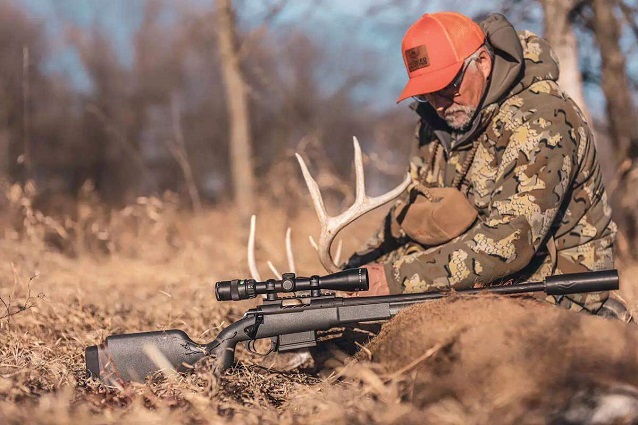
Purpose defines the kind of firearm that fits. A model designed for long‑range accuracy differs from one built for rugged outdoor use. Aligning expectations with function prevents frustration and ensures the firearm performs where it matters most.
Smaller calibres suit training and recreational shooting, while larger calibres provide the stopping power needed for hunting or extended ranges. Matching the firearm to your goals avoids wasted investment and ensures the tool delivers where it counts. Selecting a reliable rifle tailored to your skill level, shooting purpose, and environmental demands guarantees lasting value and usability.
The Curated Line‑Up
Different categories exist, each with distinct strengths. Bolt‑action designs are valued for accuracy and reliability, semi‑automatic rifles provide faster follow‑up shots, and lever‑action or pump‑action types offer unique handling experiences. Understanding these differences helps narrow down options without drowning in technical detail.
Each type has its place: bolt‑actions excel in precision, semi‑automatics in speed, and lever‑actions in versatility. Comparing them by performance rather than brand names allows shooters to focus on what suits their environment and purpose.
The Feel Test Most People Ignore
Specifications only tell part of the story. Handling determines how naturally a firearm fits. Balance influences control, weight affects fatigue, and grip design shapes comfort. A rifle that feels awkward in your hands will never deliver consistent results, no matter how advanced its features.
Testing how the firearm fits on your shoulder, how the trigger responds, and how the stock rests against your body reveals whether it complements your style. Experience level also matters: beginners may prefer lighter builds, while seasoned shooters often value stability over portability.
What It’s Made Of
Materials dictate durability and maintenance. Steel barrels provide strength and longevity, synthetic stocks resist weather and wear, and wooden stocks, though traditional, require more care but offer aesthetic appeal. Modern composites combine lightness with resilience, making them popular among shooters who value portability.
Construction choices affect upkeep. Steel requires cleaning to prevent corrosion, while synthetics demand less attention. Wood, though beautiful, expands and contracts with humidity, requiring careful storage. Understanding these trade‑offs ensures your firearm remains reliable for years.
Performance Factors Worth Considering
Beyond design and materials, performance depends on how the rifle interacts with ammunition and the environment. Barrel length influences velocity and accuracy, while trigger quality affects consistency. Optics compatibility also matters, as a well‑matched scope can transform usability.
Environmental conditions play a role, too. Rifles used in damp climates need corrosion‑resistant finishes, while those carried across long distances benefit from lighter builds. Thinking about where and how you’ll use the firearm ensures it performs reliably in real‑world scenarios.
Ballistics basics also matter. Longer barrels generally increase muzzle velocity, improving accuracy at distance, while shorter barrels favour manoeuvrability in dense terrain. Understanding these trade‑offs helps shooters select a firearm that matches both their environment and their intended use.
Sorting Through Options and Practical Tips
Evaluating choices can feel overwhelming, but narrowing down to essentials makes the process manageable. Instead of chasing every feature, concentrate on what directly impacts your intended use.
Some practical tips include:
- Check fit by shouldering the firearm and ensuring it aligns naturally with your sightline
- Factor in ammunition availability to avoid future compatibility issues
- Invest in proper optics to maximise accuracy and usability
- Practise regularly with the same setup to build familiarity and confidence
Training and Skill Development
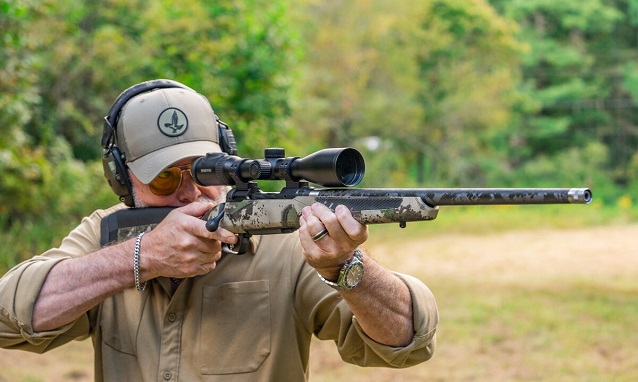
Owning a rifle is only part of the equation; skill development ensures you can use it effectively and safely. Regular practice at controlled ranges builds muscle memory, sharpens reaction times, and improves accuracy under varied conditions.
Many shooters also benefit from structured courses that cover advanced techniques such as breath control, trigger discipline, and positional shooting. Investing time in training not only enhances performance but also reinforces responsible handling and long‑term confidence.
Hunting and Sport Shooting
In regions where hunting is common, rifles are chosen not only for accuracy but also for ethical performance. Ammunition designed for controlled expansion ensures humane kills, while lightweight builds reduce fatigue during long treks. Sport shooters, by contrast, often prioritise precision, consistency, and ergonomics to achieve tight groupings in competition.
Understanding these contexts helps refine choices. A rifle suited to dense forests may differ from one intended for open ranges. By considering both environment and purpose, shooters avoid mismatches that compromise results.
Safety and compliance also matter. In Canada and Australia, regulations govern transport, storage, and licensing. Choosing a firearm that aligns with legal requirements avoids complications and ensures responsible ownership.
Walk Away Knowing What You’re Holding
Selecting the right firearms is about clarity, not impulse. By focusing on purpose, handling, construction, and performance, you ensure that the firearm you choose becomes a reliable companion rather than a regretted purchase. Confidence comes from knowing you’ve matched your needs with the right tool, and that decision will serve you well for years to come.



About Author

alex
?You can always edit a bad page. You can’t edit a blank page. Likes: ❤️ Beer ?, Pizza ? Dislikes:? Mice?, Barber ? Favorite song: ? Hurts - Wonderful Life