
The Importance of Choosing Secure Dog Enclosures
Every dog owner wants the same thing: a happy, healthy pet that can enjoy the outdoors safely. While regular walks, playtime, and exercise are essential, there are many situations where dogs benefit from having their own secure outdoor space. This is where a well-designed dog enclosure becomes far more than just a fence or a contained area. It becomes a dedicated environment that supports both safety and well-being.
For pet owners, enclosures also provide peace of mind. Rather than constantly supervising every outdoor moment, owners can feel confident knowing their dog has access to a secure area designed specifically for their needs. When thoughtfully selected and properly integrated into daily routines, secure pet enclosures for dogs become valuable tools for improving both canine welfare and household harmony.
The Core Benefits of a Dog Enclosure
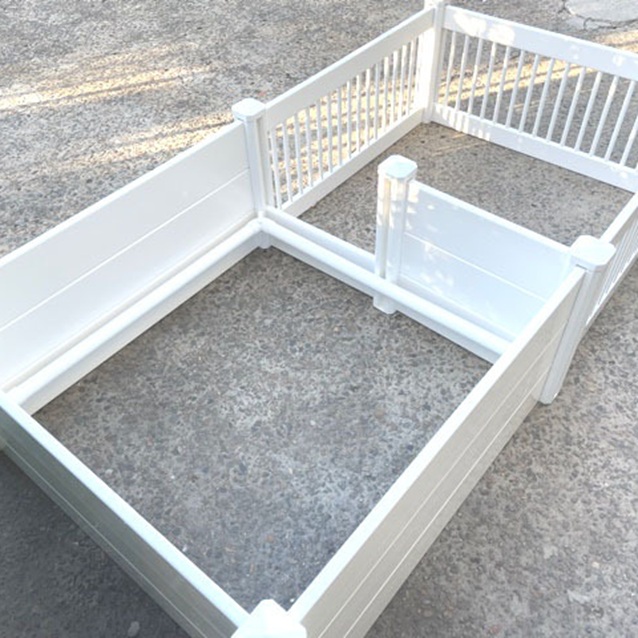
One of the primary purposes of a dog enclosure is protection. While many dogs are naturally curious and adventurous, those instincts can sometimes place them in dangerous situations.
Protection from Environmental Hazards
A secure enclosure helps shield dogs from a variety of external threats. Road traffic remains one of the most significant dangers for roaming pets, particularly in suburban and rural areas. Even well-trained dogs can become distracted by wildlife, unfamiliar sounds, or sudden movements and wander into unsafe environments.
By creating a controlled environment, owners can significantly reduce the risk of accidents and injuries.
Preventing Unwanted Wandering
Many dogs are natural explorers. Some breeds are particularly known for their desire to roam, track scents, or investigate their surroundings.
Without proper boundaries, dogs may:
- Leave the property
- Enter neighbouring yards
- Become lost
- Encounter aggressive animals
- Cause property damage
A secure enclosure helps establish clear physical limits while still allowing dogs to enjoy outdoor freedom.
Reducing Common Behavioural Challenges
A designated outdoor area can also minimise several common frustrations experienced by dog owners. For example, dogs with unrestricted access to gardens may dig through landscaping, damage plants, or create holes throughout the yard. Others may become overly reactive to pedestrians, cyclists, or passing vehicles. A thoughtfully designed enclosure allows owners to manage environmental triggers more effectively while still giving dogs access to fresh air and exercise.
Supporting Natural Behaviours
Dogs have instinctive behaviours that contribute to their mental well-being. Sniffing, observing their surroundings, patrolling territory, resting in the sun, and exploring different scents are all important forms of enrichment. A secure enclosure provides a safe environment where these behaviours can occur naturally without requiring constant supervision. Rather than restricting freedom, a well-designed enclosure often expands opportunities for safe exploration.
The Psychological Impact on the Dog
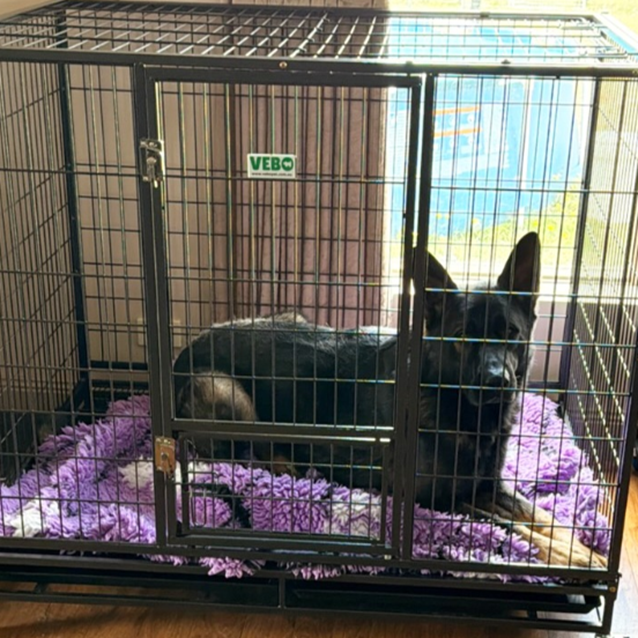
While physical safety is often the primary reason people invest in enclosures, the psychological benefits can be equally important.
Reduced Stress and Anxiety
Dogs generally feel more secure when they understand their environment and its boundaries. Predictable spaces help reduce uncertainty, which can lower stress levels and improve overall confidence. Dogs that have access to a familiar, dedicated outdoor area often develop a stronger sense of routine and security.
This can be particularly beneficial for:
- Rescue dogs
- Newly adopted pets
- Nervous or anxious dogs
- Puppies learning household boundaries
- Boundary Security
Clear boundaries help dogs understand where they belong. Contrary to popular belief, dogs do not necessarily crave unlimited freedom. Many actually feel more comfortable when their environment is structured and predictable. A secure enclosure provides visual and physical boundaries that help dogs navigate their surroundings with confidence.
Controlled Supervision
An enclosure also allows owners to supervise interactions more effectively. Whether children are playing in the yard, visitors are arriving, or maintenance work is taking place, the enclosure provides a safe space where the dog can remain involved in household activity without becoming overwhelmed or creating safety concerns. This controlled exposure supports positive socialisation while reducing unnecessary stress.
Choosing the Right Enclosure
Not all enclosures are created equal. Selecting the right solution requires careful consideration of your dog’s size, breed, behaviour, and activity level.
Material Matters
The durability of an enclosure largely depends on its construction materials. Common options include steel, aluminium, welded mesh, timber fencing and composite materials. For larger or more powerful breeds, heavy-duty materials typically provide the highest level of security and longevity. Weather resistance should also be considered, particularly in regions exposed to rain, heat, or coastal conditions.
Size Requirements
One of the biggest mistakes owners make is choosing an enclosure that is too small. Dogs need enough room to move comfortably, stretch, play, explore and rest. The ideal size will vary depending on the dog’s breed, age, and energy level, but larger spaces generally provide greater opportunities for physical and mental enrichment.
Height and Security Features
Jumping ability varies significantly between breeds. While a small companion dog may require only modest fencing, athletic breeds may need significantly taller enclosures to prevent escape attempts. When researching dog enclosures for sale, it is essential to evaluate these features based on your dog’s specific behaviour and physical capabilities.
Weather Protection
A good enclosure should provide shelter from both sun and rain. Shade structures, covered sections, and access to fresh water help ensure the space remains comfortable throughout changing weather conditions.
Integrating the Enclosure into Daily Life
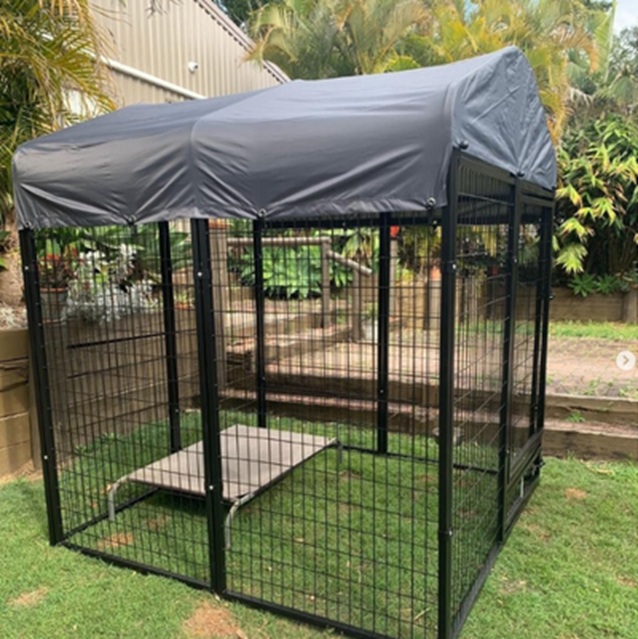
The most successful enclosures become a positive extension of a dog’s daily routine.
Positive Reinforcement Matters
Dogs should associate their enclosure with enjoyable experiences. Introducing treats, praise, meals, and play sessions within the space helps build positive associations and encourages voluntary use. The enclosure should feel like a rewarding environment rather than a punishment area.
The “Time-Out” Misconception
One common mistake is using an enclosure exclusively for discipline. When dogs begin to associate the space with negative experiences, they may become reluctant to enter it or develop anxiety around confinement. Instead, the enclosure should function as a safe retreat where the dog can relax and enjoy independent time.
Creating an Enriching Environment
Adding enrichment elements makes the space far more engaging. Comfortable bedding, shaded resting areas, and appropriate dog toys help encourage healthy activity and prevent boredom. Rotating toys periodically can also maintain interest and provide ongoing mental stimulation. When combined with regular walks, training, and social interaction, the enclosure becomes a valuable part of a balanced lifestyle.


About Author

emily
?The first draft is just you telling yourself the story. Likes: ❤️Cats ?, Dogs?, Chocolate Icecream ? Dislikes:? White Wine?, Chinese food ? Favorite song: ? Ashlee - Alone With You