
Ready to Move: How to Choose Dancewear That Fits Your Style and Training
Getting ready for dance class should be exciting, not a struggle to find something comfortable to wear. The right outfit lets you stretch, turn, jump, and move freely without worrying about slipping straps, restrictive fabrics, or clothes that need constant adjusting. From classic ballet leotards to relaxed jazz trousers and stretchy contemporary wear, your dance clothes should support every movement and suit the demands of your training.
A little thought when choosing your dance outfits can make a real difference to how comfortable and prepared you feel in the studio. The key is to find pieces that fit well, suit your dance style, and give you the freedom to focus on what you enjoy most: dancing. Here’s what to look for when building your collection.
Start With Your Dance Style and Class Requirements
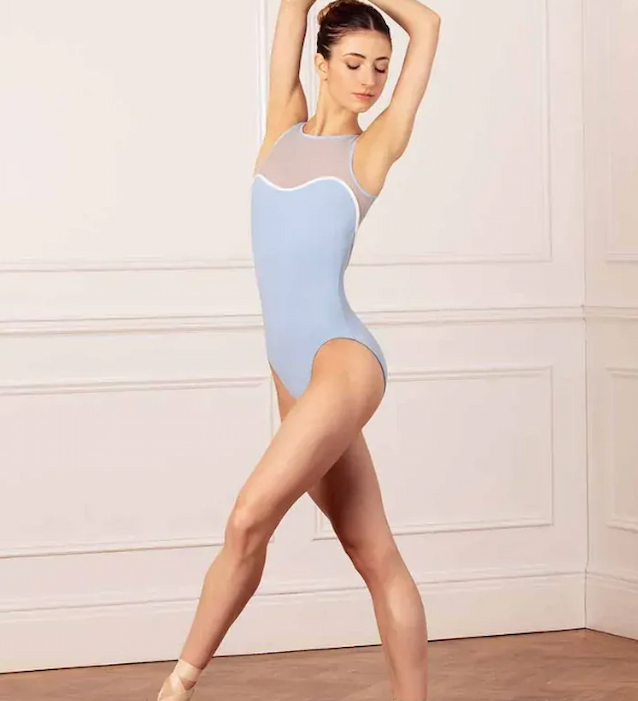
Before choosing colours and styles of dancewear, think about the type of dancing you do. Each discipline has different clothing requirements, so your class schedule should guide your choices.
For ballet, fitted leotards, tights and ballet skirts are popular options. Their streamlined fit allows your teacher to see your posture, alignment and technique clearly. You may also need specific ballet shoes, depending on your level and studio requirements.
Jazz and contemporary classes usually give you more flexibility with clothing. Stretchy leggings, fitted tops, shorts and comfortable dance trousers allow you to practise extensions, turns and floorwork without feeling restricted. For hip-hop, you might prefer joggers, relaxed-fit tops or shorts that let you move comfortably through more dynamic combinations.
Tap classes call for comfortable clothing that allows you to move your legs and ankles freely while practising footwork and rhythm.
If you attend several dance styles throughout the week, consider getting a few different outfits to suit your classes. Check your studio’s dress code before shopping, too. Your teacher can tell you which garments, footwear, and accessories you’ll need.
Find a Fit That Supports Your Movement
Comfort and fit should come first when choosing dancewear. You want clothing that stays in place as you stretch, turn, jump, and move across the studio. Constantly adjusting your outfit can distract you from your technique.
Start by checking how each piece fits around your shoulders, waist, hips, and legs. A leotard should feel secure without digging into your skin, while leggings should let you bend and extend your legs comfortably.
Pay attention to smaller details, too. Straps should stay in place, waistbands shouldn’t roll down during movement, and seams shouldn’t rub against your skin. Tops and shorts should also provide enough coverage throughout your class.
Getting the right size matters just as much as choosing the right style. Dance clothing often contains stretchy materials, but that doesn’t mean you should automatically choose a smaller size for a closer fit. Check the sizing chart and compare your measurements before ordering online.
If possible, try a few gentle stretches and movements when testing a new outfit. This helps you see how the fabric responds and whether anything feels restrictive. Your clothing should move with you, not make you work around it.
Choose Fabrics That Suit Your Training
The fabric can make a noticeable difference to your comfort during class. Dance involves plenty of movement, and energetic sessions can leave you feeling warm, so choose materials that suit your training.
Stretch fabrics are a practical starting point. Elastane blends offer flexibility for movements that involve bending, stretching and extending your limbs. Cotton blends can also feel soft against your skin and work well for lighter sessions and everyday practice.
When comparing materials, look for a few useful qualities:
- Stretch: Choose fabrics with enough elasticity to support your movements without restricting them.
- Breathability: Lightweight materials help you stay comfortable during active classes.
- Moisture management: Some performance fabrics move moisture away from your skin, which can be useful during longer rehearsals.
- Softness: Smooth fabrics and well-finished seams help reduce irritation.
- Shape retention: Good-quality stretch materials should return to their original shape after repeated use.
Think about the studio temperature, too. Lightweight layers work well when you need something easy to remove as you warm up. In cooler studios, warm-up trousers, jackets and leg warmers can help you feel comfortable before class.
Build a Practical Dancewear Collection
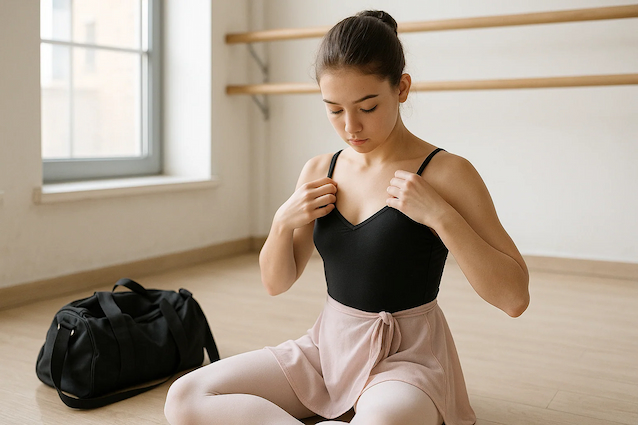
You don’t need an overflowing wardrobe to prepare for your classes. A handful of well-chosen essentials can cover most of your weekly training needs.
Start with the basics for your dance style. Leotards, leggings, fitted tops, shorts and appropriate tights can form the foundation of your collection. Add pieces gradually as you discover what you use most often.
Warm-up clothing deserves a place in your dance bag. Leg warmers, lightweight jackets and comfortable trousers give you an extra layer before class and between exercises. You can take them off as your session progresses.
When shopping for dance clothes, consider how easily you can combine different pieces. Neutral colours make mixing and matching simple, while your favourite shades and patterns add personality to your outfits. Just remember to follow your studio’s clothing requirements.
It’s also worth keeping a spare top or pair of leggings in your bag if you attend several classes in one day. Pack your dance shoes, hair accessories, tights and spare socks so you’re ready when you arrive.
A little organisation makes getting dressed and preparing for class much easier.
Check Quality, Care and Overall Value
Dance clothing goes through plenty of stretching, washing and repeated wear. That’s why you should look beyond appearance when comparing different pieces.
Start with the construction. Check the stitching, seams, straps, and waistbands, as these areas experience regular movement and stretching. The fabric should feel durable, and the garment should hold its shape after you wear it.
Care instructions matter, too. Some materials need gentle washing or specific drying methods to maintain their elasticity. Follow the garment label and avoid high temperatures unless the manufacturer recommends them.
A few simple habits can keep your collection in good condition:
- Wash garments according to their care labels.
- Separate delicate pieces from heavier clothing.
- Let everything dry properly before storing it.
- Check seams and elastic regularly for signs of wear.
- Remove damp clothing from your dance bag after class.
Consider the price alongside the quality and how frequently you’ll wear each item. A well-made leotard or pair of leggings that you use several times a week can offer better long-term value than a cheaper garment that quickly loses its shape.
Find Your Perfect Fit for Every Class
Choosing clothing for dance class becomes easier when you know what your training requires. Start with your dance style, find a comfortable fit, and look for fabrics that support your movements. Then, build your collection with practical essentials that suit your schedule and personal style.
You can add new pieces as your training develops, focusing on quality and comfort along the way. With the right outfits ready in your dance bag, you’ll spend less time worrying about what to wear and more time enjoying every step, stretch, and routine.



About Author

emily
?The first draft is just you telling yourself the story. Likes: ❤️Cats ?, Dogs?, Chocolate Icecream ? Dislikes:? White Wine?, Chinese food ? Favorite song: ? Ashlee - Alone With You