
Choosing Support Gear: How Important are Powerlifting Wrist Wraps for Performance Enhancement
When you start lifting heavier weights, small details that were easy to overlook can suddenly become much more noticeable. Your grip, bar position, bracing and technique all become increasingly important, but so does the stability of your wrists.Wrist wraps are one of the most common pieces of support equipment used by powerlifters to offer additional stability around the wrists. By wrapping securely around the joint, they can help limit excessive wrist extension and create a more supported connection between the hand and forearm. This can be particularly useful during heavy pressing, the wrists have to remain stable as force is transferred from the bar through the hand and into the rest of the body.
However, lifting wrist wraps are not a replacement for sound technique, appropriate mobility or progressive strength development. They should complement good lifting habits rather than compensate for problems with bar positioning or movement mechanics.
What Are Wrist Wraps and What Do They Do?
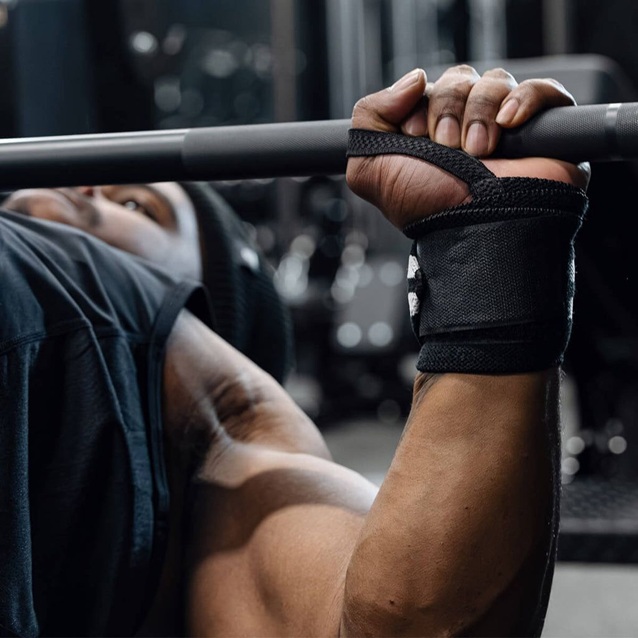
The purpose of reliable wrist wraps weightlifting is to provide strips of supportive material that are wound around the wrists and secured, usually with a hook-and-loop fastening system. Depending on their construction, they can range from relatively soft and flexible to extremely rigid.Their primary purpose is to provide external support around the wrist. When lifting, particularly during pressing movements, the wrist can naturally move into extension as the load increases. Some extension is normal, but excessive movement can make it more difficult to maintain a strong and consistent bar position.A properly fitted wrap can help limit this excessive extension by providing resistance around the joint. Rather than allowing the wrist to collapse backwards under load, the wrap provides a supportive layer around the joint and encourages the wrist in a more controlled position. This can create a more stable connection between the hand and forearm. In the bench press, for example, maintaining a relatively stacked relationship between the hand, wrist and forearm can help the lifter keep control of the bar throughout the descent and press.The amount of support depends heavily on the wrap itself. A soft cotton wrap will feel very different from a stiff powerlifting wrap, and a short wrap will provide a different experience from a longer one.
Wrist Wraps vs Wrist Straps
Wrist wraps and wrist straps are often confused because both are worn around the wrist, but they serve fundamentally different purposes. Wrist wraps primarily provide wrist support and stability. They are commonly used during pressing movements and can help the lifter maintain a more stable wrist position under heavy loads.Wrist straps are primarily grip-assistance tools. They attach the lifter’s hands to the bar, allowing them to maintain contact with the bar when grip strength becomes the limiting factor. They are particularly common during pulling exercises such as deadlifts, rows and shrugs. The distinction is especially important in powerlifting competitions.A lifter might use wrist wraps during the bench press to provide additional wrist support while pressing a heavy bar. Wrist straps, however, are generally not permitted for the competition deadlift because the lifter must demonstrate the ability to hold the bar using an approved grip. This does not mean straps are inherently inappropriate for training. They can be useful when the goal of an exercise is to train the back or posterior chain without allowing grip fatigue to become the limiting factor. They solve a different problem from wrist wraps.
What to Look For in Wrist Wraps
There is no single material best for every lifter. The right choice depends on how much support you need, how frequently you use wraps and how rigid you want them to feel.
Cotton
Cotton wraps can be softer and more flexible than many synthetic alternatives. They are often comfortable for general strength training and can be a good introduction to using wrist support. Because they are relatively pliable, cotton wraps generally allow more wrist movement than very stiff powerlifting wraps. This can make them comfortable for warm-ups, moderate loads and lifters who do not want an extremely restrictive feeling around the joint.The trade-off is that they may not provide the same level of support under very heavy loads as a stiff, reinforced wrap. For competitive powerlifters who regularly work at high percentages of their one-repetition maximum, a more substantial material may be preferable.
Nylon or Synthetic
Nylon and other synthetic materials can provide a balance between durability, flexibility and support. They are often designed to withstand frequent training and repeated tightening without losing their shape as quickly as softer materials. Synthetic wraps vary considerably in stiffness, so the material alone does not tell you exactly how supportive they will be. Construction, thickness and reinforcement all contribute to their final feel. They can be a practical choice for lifters who train frequently and want a wrap that can handle regular use while still offering some flexibility.
Elastic
Elastic wraps are designed to stretch as they are applied, allowing the lifter to create considerable tension around the wrist. This can produce a secure, supportive feeling and allows the wrap to conform closely to the wrist. However, elastic wraps can also become uncomfortable if pulled excessively tight. The ability to create tension is useful, but more tension is not automatically better. A wrap should provide support without causing numbness, tingling, significant pressure or restriction of circulation.
Heavy-Duty Powerlifting Materials
Heavy-duty wraps are generally designed for lifters who need substantial wrist support during very heavy training and competition-style lifts. These wraps tend to be thicker, stiffer and more resistant to bending. They can provide a stronger barrier against unwanted wrist extension, particularly during heavy bench pressing.The downside is reduced flexibility. A very stiff wrap can feel cumbersome during lighter work or exercises where you want the wrist to move more naturally. For that reason, many experienced lifters use different wraps for different types of training rather than expecting one pair to perform perfectly in every situation.
How Much Support Do You Need?
One of the biggest decisions when buying wrist wraps is determining how much support you actually need.
Soft Wrist Wraps
Soft wraps provide relatively modest support while allowing greater freedom of movement. They can be useful for beginners, general strength training and lighter sessions.They may also be preferable when you want to become accustomed to wearing wrist support without immediately moving to a highly restrictive wrap. For lifters who experience only minor wrist movement under load, a softer wrap may provide enough reinforcement without unnecessarily limiting mobility.
Stiff Wrist Wraps
Stiff wraps provide significantly more resistance against wrist movement. They are particularly popular among powerlifters who regularly handle heavy loads and want maximum support during pressing. A stiff wrap can feel almost rigid when applied tightly. This can be advantageous during heavy attempts, but it requires more care when positioning and tightening the wrap.Stiffness should therefore be considered a tool rather than a measure of quality. The stiffest wrap is not necessarily the best wrap. It is only better if that level of support meets your needs.
What Length Should You Choose?
There is no universal wrist-wrap length that suits every powerlifter. Instead, consider several factors.
- Wrist size: Larger wrists may benefit from additional material to achieve sufficient coverage and overlap.
- Desired support: If you want substantial support, a longer wrap provides more material with which to create tension and reinforcement.
- Stiffness: A long, stiff wrap can be considerably more supportive than a similarly sized flexible wrap, so consider length and stiffness.
- Competition rules: If you intend to compete, check the rules of your specific federation before buying. Approved dimensions and construction can vary between organisations.
- Personal preference: Some lifters prefer a compact wrap that feels unobtrusive, while others prefer a longer wrap that provides a more substantial feeling of support.
Understanding Wrist Wrap Sizes and Fit
Many wrist wraps for lifting are sold as one-size-fits-all products because the fastening system allows them to accommodate a range of wrist sizes. However, “one size” does not mean that every wrap will feel identical on every lifter.The amount of overlap and tension material around your wrist will depend on its circumference. A wrap designed with a particular range of users in mind may feel very different on someone with significantly smaller or larger wrists.Some manufacturers offer multiple sizes, while others rely on adjustable lengths. Always check the manufacturer’s sizing information rather than assuming one-size-fits-all means universally suitable.
How Should Wrist Wraps Fit?
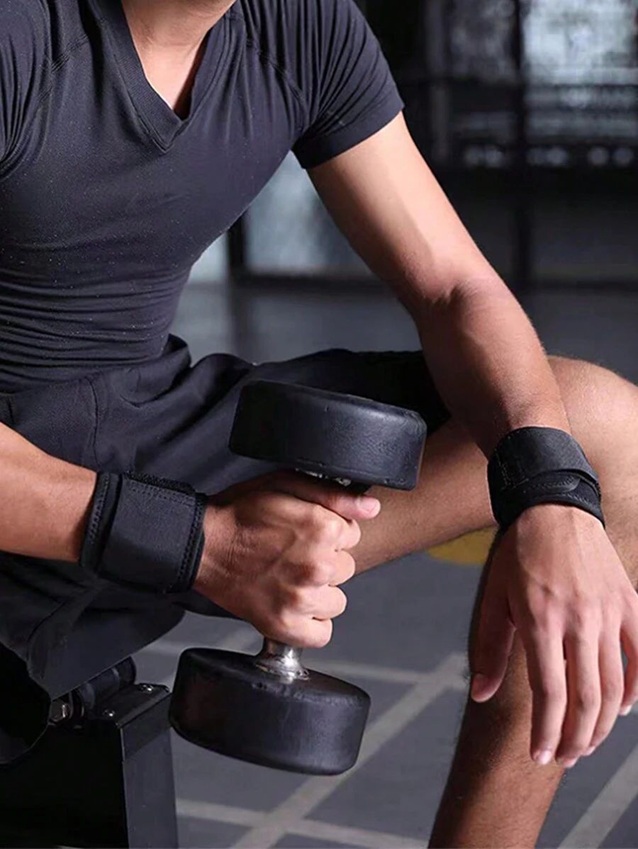
A properly fitted wrist wrap should feel secure without becoming painfully tight. The wrap should sit around the wrist rather than excessively high on the forearm or directly across the hand. It should provide consistent support without creating pressure points.When properly positioned, you should feel that the wrist is supported and more stable, not that the entire hand has been immobilised. The fastening should be secure enough that the wrap does not loosen during a set. However, you should still be able to remove it easily after finishing the movement.
Wrist Wraps for Different Powerlifting Movements
Wrist wraps for weightlifting are most commonly associated with the bench press, but their usefulness can vary considerably among the three competition lifts.
Bench Press
The bench press is generally where wrist wraps weightlifting provide the most obvious benefit. The lifter must support the bar in their hands while pressing it away from the body. As the weight increases, maintaining a stable wrist position becomes increasingly important. Many powerlifters use wraps to help prevent excessive wrist extension and maintain a more consistent bar position. A wrap can provide additional external support around the wrist during heavy working sets and competition attempts.The ideal stiffness is largely a matter of preference. Some lifters prefer moderate support that allows a little natural movement, while others favour highly rigid wraps for their heaviest attempts. Regardless of the wrap, the bar should be positioned in the hand, and the wrist should remain controlled through the movement.
Squat
Wrist wraps can also be useful during the squat, although their role is different. The low-bar and high-bar squat both require the lifter to establish a stable position for the bar across the upper back. Depending on shoulder, wrist and elbow mobility, some lifters may experience wrist discomfort while maintaining their chosen hand position. Wrist wraps can provide additional support and reduce unwanted wrist movement when the hands are positioned tightly around the bar.
Deadlift
Wrist wraps are generally less important for the competition deadlift because the wrist is not required to support the bar the same way during the bench press. Your hands hang below the body while holding the bar, so the primary limitation is often grip strength rather than wrist stability.This is where wrist straps become a separate piece of equipment. Straps can help a lifter maintain their grip during training, but they are generally not permitted for competition deadlifts. Wrist wraps should therefore not be confused with straps simply because both are worn around the wrist.

About Author

alex
?You can always edit a bad page. You can’t edit a blank page. Likes: ❤️ Beer ?, Pizza ? Dislikes:? Mice?, Barber ? Favorite song: ? Hurts - Wonderful Life