
Finding Gold Nuggets in Canada: The Importance of Quality Metal Detectors
Canada has gold in its bones. From the creek beds of the Yukon to the quartz veins running through British Columbia and the glacial till scattered across Ontario and Nova Scotia, this country has been quietly producing gold nuggets for over a century. And a lot of it is still out there, waiting for someone patient enough to find it. But before you spend a frustrating weekend swinging the wrong machine over the wrong ground, you should know that not all metal detectors are built for gold. Choosing a mediocre gold detector over a genuinely good one can mean the difference between coming home empty-handed and coming home with a story worth telling.
Why Gold Prospecting Is Different
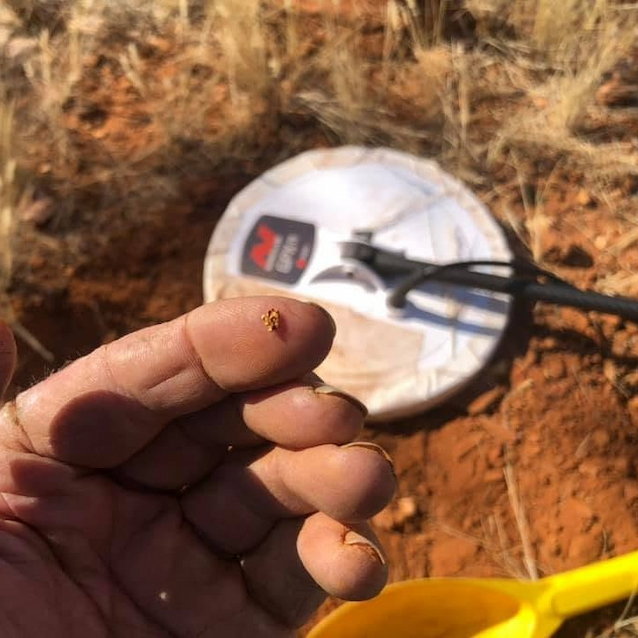
If you’ve ever used a metal detector to hunt for coins in a park, you might assume any detector will do. It won’t. Gold nuggets are often tiny, sometimes smaller than a grain of rice, and they don’t give off the same strong electromagnetic signal as a coin or a belt buckle. Worse, a lot of Canada’s best gold country sits on highly mineralized ground: red soil, black sand, and iron-rich rock that can confuse a standard detector into a constant, useless chatter of false signals.
This is why gold-specific detectors exist. They run at much higher frequencies than general-purpose machines, which makes them far more sensitive to the small, low-conductivity signal a gold nugget produces. They also come with specialized ground balancing features designed to filter out the mineralization that would otherwise drown out a genuine target. In other words, gold detecting isn’t just a different hobby than coin or relic hunting – it demands reliable gold metal detectors built for the job.
What Separates a Good Detector from a Great One
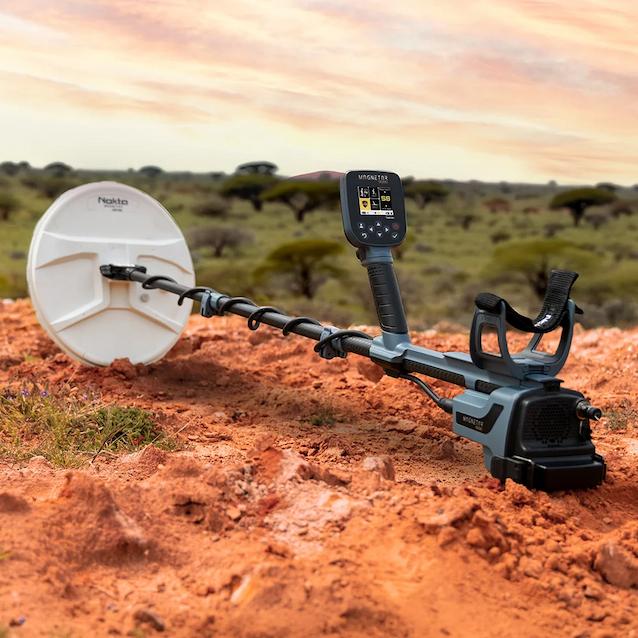
Quality matters more in gold detecting than almost any other form of metal detecting, for a simple reason: the targets are small, deep, and easy to miss. A cheap or poorly calibrated detector might pick up a soda can at 30 centimetres but completely miss a pea-sized nugget sitting right below the surface. A well-engineered gold detector, by contrast, is tuned to catch exactly those faint, fleeting signals that lower-end machines simply can’t resolve.
Depth is one obvious factor – the ability to detect a nugget six or eight inches down rather than just skimming the surface. But sensitivity to small gold is arguably more important for most Canadian prospectors, since the vast majority of nuggets found today are modest in size. The big “retirement nugget” finds you hear about are the exception, not the rule. A detector that excels at picking out tiny flecks and pickers will put far more gold in your pouch over a season than one built only to chase the rare jackpot.
Ground balancing is the other piece of the puzzle. Canada’s gold-bearing regions are notorious for mineralized soil, and a detector with poor ground balance will either bury you in false signals or, worse, mute the very targets you’re looking for. Higher-end gold metal detectors offer automatic or highly adjustable ground balancing that adapts as you move across changing terrain – a feature that becomes essential rather than optional once you’re working real prospecting ground rather than a groomed backyard.
Matching the Machine to the Hunter
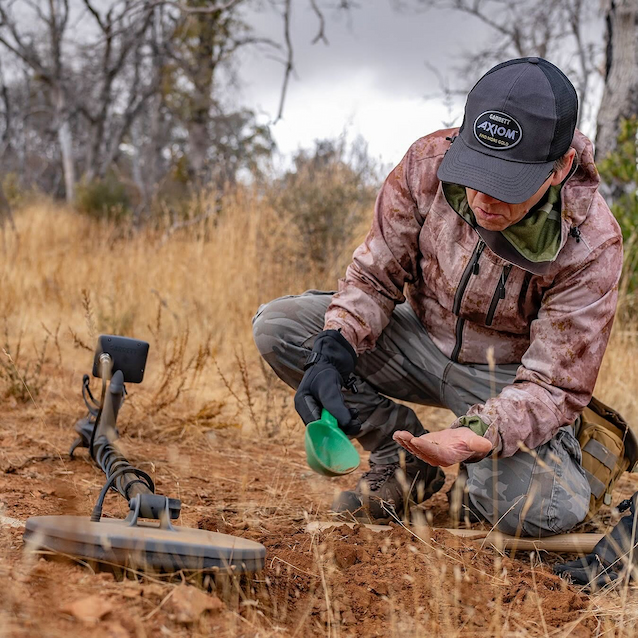
Not every prospector needs the same detector. Someone just getting into the hobby often benefits from a simpler, fully automatic machine that handles ground balancing and sensitivity adjustments on its own, letting them focus on learning to read the land and interpret signals rather than fiddling with settings. As skill develops, many enthusiasts move toward more advanced gold detectors that offer manual control, multiple coil options, and greater depth. These are tools that reward experience with better results.
Coil selection also plays a bigger role in gold detecting than people expect. Smaller coils are more sensitive to tiny nuggets and easier to maneuver in tight, rocky terrain, while larger coils cover ground faster and can reach deeper targets. Many serious prospectors carry more than one coil and swap between them depending on whether they’re doing a broad search or working a promising patch in detail.
The Real Payoff of Investing in Quality
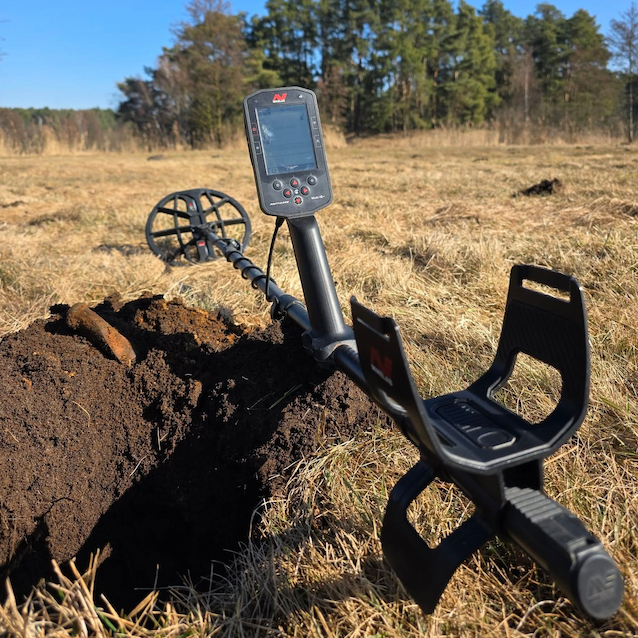
It’s tempting to start with the cheapest gold metal detector available, especially if you’re not sure gold hunting will become a lasting hobby. But an underpowered machine tends to produce a discouraging first experience: hours of swinging with nothing to show for it, not because there’s no gold in the area, but because the detector simply couldn’t hear it. A quality detector, on the other hand, shortens that learning curve considerably. It gives you confidence that a lack of finds reflects the ground you’re searching, not the limitations of your equipment.
Gold prospecting in Canada rewards patience, research, and a willingness to learn the land. A quality detector won’t guarantee a nugget in every outing, but it dramatically improves your odds of hearing that faint, telltale signal buried in the noise. For anyone serious about turning a weekend hobby into real finds, investing in the right machine isn’t a luxury. It’s the foundation everything else is built on.



About Author

alex
?You can always edit a bad page. You can’t edit a blank page. Likes: ❤️ Beer ?, Pizza ? Dislikes:? Mice?, Barber ? Favorite song: ? Hurts - Wonderful Life