
Understanding Horse Harnesses: Important Tips for Every Rider
Having trouble keeping your horse steady, comfortable, and responsive while driving? Often, the real problem isn’t the horse; it’s the harness that doesn’t support proper pull, balance, or communication. The solution lies in a well-fitted, purpose-built driving harness. With the right setup, pressure is distributed evenly, signals become clearer, and your horse can pull with confidence and efficiency. A good driving harness not only prevents strain and discomfort but also creates a smoother and safer experience for both driver and horse.
The Right Type for Your Driving Needs
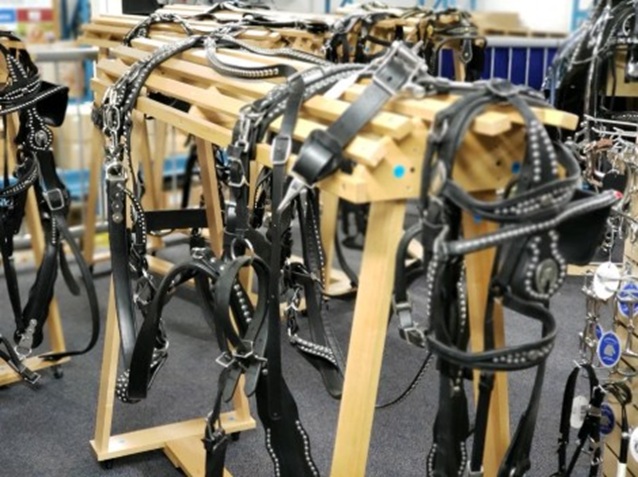
You can transform every ride into a smooth, powerful and confident performance with a comfortable and durable horse driving harness. However, harnesses are not one-size-fits-all. The type you choose can make all the difference — both for performance and for the comfort of your horse.
Breast-Collar: Light Carriages and Pleasure Driving
If you mostly drive light carts, buggies, or pleasure carriages, horse equipment with a breast collar is often ideal. This design features a padded strap across the horse’s chest rather than a full neck collar, allowing for comfort and ease, especially when the load is light and the vehicle’s weight is minimal. The lighter build also makes it easier to fit and adjust.
Full Collar: Heavy Loads and Larger Carriages
For heavier carriages, coaches, or any situation where the load is substantial, a full collar harness is generally the better choice. Here, a padded collar wraps around the horse’s neck and shoulders, often supported by rigid hames, which spread the load evenly across the horse’s body. This helps the animal engage more strength with less strain, improving pulling efficiency and comfort under greater stress.
Show Harnesses: Style-Driven and Show Driving
When form matters as much as function — for exhibitions, parades, or light carriage events — a show harness offers a refined, polished look that complements a carriage’s appearance. These horse driving harnesses are often made from high-quality leather with elegant finishes. Functionally, they tend to follow the breast-collar style and are suitable for light loads and demonstration-level driving rather than heavy work.
When on the hunt for the right type, keep in mind that it isn’t just about carriage weight; you should also consider the horse’s build and size. For example, smaller ponies or minis should use lighter, simpler horse harnesses, whereas larger horses or draft breeds benefit from sturdier models built for heavier loads. A proper fit is essential for comfort and effectiveness.
Compare Materials to Balance Durability, Weight and Flexibility
The material in a horse driving harness plays a key role in balancing durability, weight, and flexibility, and each type has its trade-offs depending on how you plan to use it.
Leather: Classic, Durable, but Heavy
Horse harnesses made of leather remain the traditional choice for driving because they’re strong, long-lasting, and—when properly maintained—very reliable. Since leather gradually moulds to the horse’s body over time, it offers a comfortable, well-fitting harness that reduces chafing and pressure points. On the downside, leather is heavier than modern alternatives, and it demands regular cleaning and conditioning, especially after exposure to sweat or rain, or else it risks drying out and cracking.
Synthetic Webbing: Light and Economical, but Limited
Harnesses made from synthetic webbing, like nylon or polypropylene, are much lighter than leather, easy to clean, and relatively inexpensive. This can reduce fatigue for the horse during long drives or repeated work.
However, nylon webbing tends to absorb water (becoming heavier), may stretch over time, and generally doesn’t “shape-match” the horse’s body, which can reduce comfort or lead to uneven pressure under long-term use. Its abrasion resistance and long-term durability are typically lower than those of more premium materials, making nylon more suitable for lighter-duty models.
Inspect Stitching and Hardware
Inspecting the stitching and hardware is crucial for safety, longevity, and performance. Start by examining the stitching: it should be tight, even, and free from loose threads or gaps. Double-stitched or box-stitched stress points, such as tug loops, breast-collar attachments, traces, and girth areas, indicate stronger construction. Weak or frayed stitching is a clear sign that the harness may fail under tension, especially during heavy pulls or sudden stops.
Also, look closely at the hardware. Buckles, rings, snaps, and hames should be made from solid, rust-resistant materials like stainless steel or high-quality brass. Hardware must feel sturdy, move smoothly, and show no cracks or sharp edges that could irritate the horse or compromise strength. Check that moving parts latch securely and that all fittings connect cleanly without wobbling.
Measure Accurately to Avoid Discomfort
Accurate measurement is key to ensuring your driving harness fits securely and keeps your horse comfortable during every outing. A poorly sized harness can pinch, restrict movement, or create uneven pressure, leading to soreness, resistance, or long-term strain.
To avoid this, take careful measurements of your horse’s chest, neck, girth, and body length using a flexible tape. Measure the horse while it’s standing square and relaxed, and double-check each measurement to ensure accuracy.
Pay special attention to areas where the harness bears the most load, such as the breast collar or full collar, the girth, and the bridle. These components must sit snugly without digging into the skin or shifting during movement. Always compare your measurements with the manufacturer’s sizing guide rather than guessing or sizing up “just in case.”


About Author

alex
?You can always edit a bad page. You can’t edit a blank page. Likes: ❤️ Beer ?, Pizza ? Dislikes:? Mice?, Barber ? Favorite song: ? Hurts - Wonderful Life