
Beyond the Carry: The Importance of Tactical Belts for Operational Performance
Equipment carried during operational work needs to remain secure, accessible, and comfortable during long periods of movement. Traditional belts are designed mainly to hold clothing in place, while specialised load-bearing systems are built to support equipment and distribute weight more effectively.
These systems are commonly used in security, law enforcement, military, emergency response, and other professional environments where reliability and mobility are essential.
A modern load-bearing belt system helps organise essential equipment while reducing unnecessary movement. Its structure allows users to attach compatible accessories and create a setup suited to specific responsibilities, whether working in a controlled environment or demanding outdoor conditions. Materials, construction methods, and adjustment options all influence how well the system performs during repeated use.
The Backbone of Field Gear Configuration
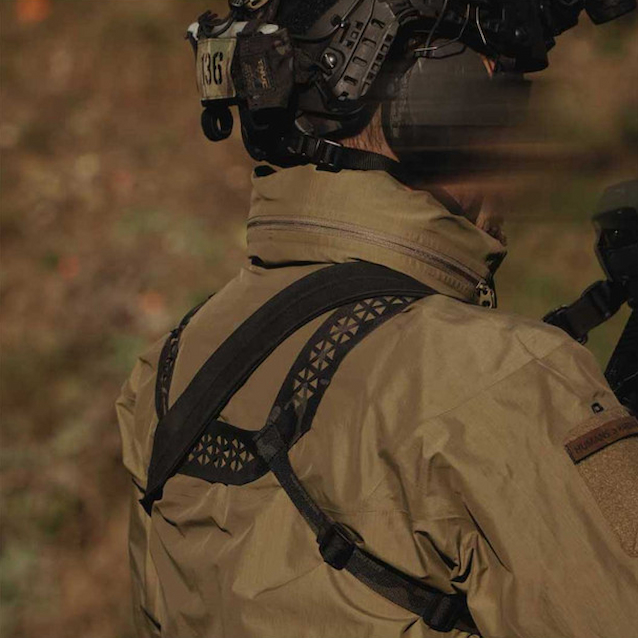
A heavy-duty tactical belt is a purpose-built platform designed to carry operational equipment while maintaining stability and freedom of movement. Unlike ordinary belts, it is generally constructed with stronger materials, reinforced stitching, and a more rigid structure to prevent sagging when carrying additional weight.
These belts are designed around practical requirements: keeping equipment organised, allowing quick access when needed, and reducing strain caused by uneven weight distribution. Depending on the design, they may support attachments such as pouches, tools, communication equipment, medical accessories, or other mission-specific gear.
The materials used in construction often include durable synthetic fabrics and reinforced components chosen for resistance against abrasion, moisture, and repeated stress. A rigid structure is particularly valuable because it helps maintain shape under load, preventing equipment from shifting during movement.
Finding a tactical belt that supports modular attachments allows users to customise equipment placement according to their specific operational requirements.
Breaking Down the Formats
Load-bearing tactical belts are available in several configurations, with each type offering different advantages depending on the working environment. Some designs focus on lightweight mobility, while others prioritise maximum support for heavier equipment setups.
Inner and outer-belt setups are among the most common configurations. The inner component provides a stable foundation, while the outer layer allows equipment attachments to be added or rearranged. This approach makes the setup easier to customise while maintaining a secure fit.
Another common variation is the rigid utility belt, which provides additional support for users who regularly carry multiple pieces of equipment. These designs are often preferred in professional settings where consistent access and equipment stability are important.
Modular systems offer greater flexibility by allowing users to adapt their configuration over time. Instead of relying on a fixed arrangement, equipment placement can be adjusted according to changing tasks, making them suitable for varied operational requirements. Modern operational environments rarely remain predictable, which is why equipment systems need to support quick adjustments and changing responsibilities.
A well-designed setup allows users to reorganise their carried equipment as tasks evolve, whether moving between locations, adapting to different conditions, or managing new requirements. This flexibility transforms a duty belt from a simple carrying tool into a dependable part of an organised operational workflow.
What Shapes a Reliable Setup
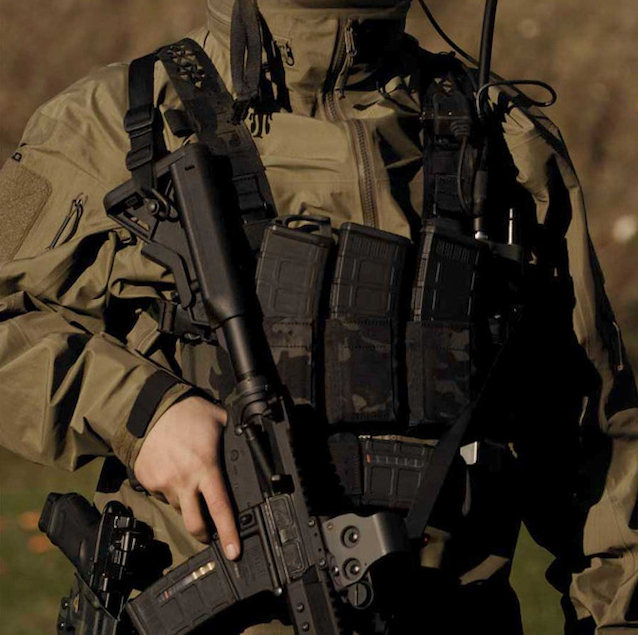
Selecting the correct system depends less on appearance and more on how it will be used. A military belt should match the type of equipment being carried, the duration of use, and the level of mobility required. A system designed for occasional lightweight use will have different priorities compared with one intended for extended professional operations.
Comfort is another important consideration because operational equipment is often worn for many hours. Proper weight distribution can reduce pressure points and improve movement, particularly during walking, standing, or physically demanding activities.
Compatibility also plays a major role. A well-designed system should allow attachments to remain secure while still providing enough flexibility for adjustments. The ability to organise equipment efficiently can improve workflow and reduce unnecessary movement when accessing essential items.
When selecting a setup, consider these important factors:
- Evaluate the intended workload and choose a structure that matches the amount and type of equipment carried.
- Prioritise durable construction and materials that can withstand repeated exposure to demanding environments.
- Review attachment compatibility and adjustability to ensure the system can support changing operational needs.
- Consider long-term comfort and stability, especially when equipment will be worn for extended periods.
- Select a configuration that balances accessibility with secure equipment placement.
A properly configured load-bearing system built around a tactical belt design can provide the reliability needed for consistent field performance without creating unnecessary limitations.
Where Structure Meets Readiness
Operational equipment continues to evolve as users demand greater adaptability, durability, and comfort. Duty belts have developed from simple carrying solutions into carefully engineered platforms that support organised equipment management in professional environments.
Choosing the right configuration requires understanding the balance between strength, flexibility, and practical application. Whether the priority is mobility, equipment organisation, or long-term reliability, the most effective systems are those that support the user’s specific requirements.
Well-selected military belts provide more than a method of carrying equipment. They provide a stable foundation that allows professionals to perform their roles with greater confidence, efficiency, and preparedness.



About Author

alex
?You can always edit a bad page. You can’t edit a blank page. Likes: ❤️ Beer ?, Pizza ? Dislikes:? Mice?, Barber ? Favorite song: ? Hurts - Wonderful Life