
What to Wear Hiking: The Importance of Proper Men’s Apparel
Are you one of those men who grab an old cotton tee and gym shorts and call it “hiking clothes”? Well, that might work just fine for a walk down the street, but after getting a few miles deep into the wild and the weather flips on you, that choice will come back to bite you. Men’s hiking clothes are not about fashion; they’re about comfort, safety, and moving well when it matters.
Why Is Quality Hiking Apparel Important?
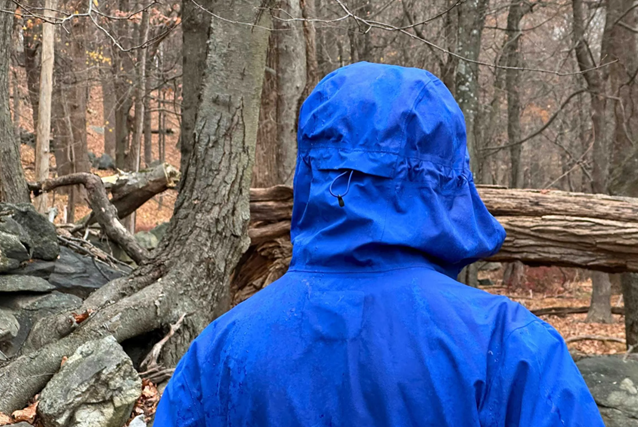
Cheap equipment will almost always break down when you need it the most. A jacket that does not allow ventilation becomes a sauna on the way up the mountain. Clothing made from cotton retains sweat and rainwater, which is unpleasant in warm weather and even dangerous in cold weather. Quality men’s hiking apparel is built around a few key principles: moisture management, thermoregulation, and freedom of movement. It should keep you comfortable, protected, and ready for changing conditions.
Beyond comfort, quality gear can also withstand abuse. A good softshell or waterproof jacket will last many seasons even if it gets beaten around – scrambling over rocks, brushing through branches, getting stuffed into a pack. Spending more upfront on the right pieces usually saves money (and frustration) down the line.
What Are the Essential Men’s Hiking Clothing Pieces?
You don’t need a garage full of technical gear to make great hiking trips. Smartly picked, durable mens hiking apparel, layered properly, will cover you in almost any conditions.
Base Layers: This is what you wear directly against your skin. The most important task is getting moisture away from the body. Use either merino wool or synthetic materials for your base layers and avoid cotton because it traps moisture.
Hiking Shirts: Choose moisture-wicking, quick-drying materials with some stretch. Today, you can find shirts built specifically for sun protection and all-day comfort on long treks.Hiking Pants and Shorts: Durability and flexibility are the key considerations here. Ideally, the pants should be made of tough but stretchable material that stays breathable even after hours of hiking and sweating, so you won’t feel restricted when you’re scrambling or high-stepping over a log. Recycled nylon-spandex blends provide excellent protection from UV radiation without sacrificing comfort.
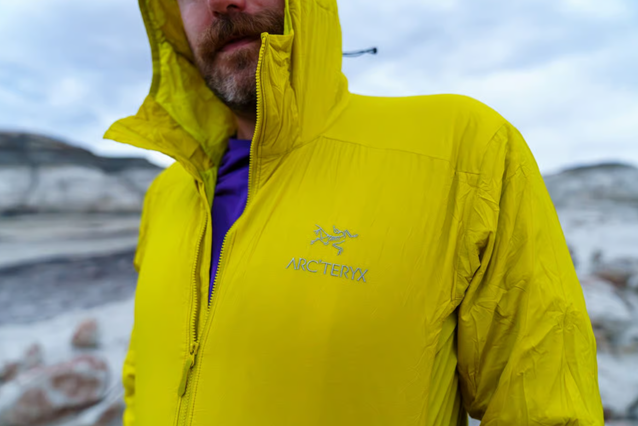
Fleece and Insulating Mid-layers: This layer will keep you warm on cold mornings or at higher elevations, as well as during rests at the peak. Technical hoodies provide excellent insulation and breathability, which is especially important when it comes to moving activities.
Outer Shells (Jackets) – This is definitely the most crucial element of your equipment. A decent hard-shell or rain jacket will protect you from wind and rain while allowing sweat to evaporate. While some jackets are lightly insulated and wind-resistant, rain shells rely on multi-layered waterproof systems for heavy rains. If you’re hiking somewhere with unpredictable weather (which, let’s face it, is most places), a packable rain shell is non-negotiable.
Insulated Vests and Puffies: On cold days, you might need a lightweight puffer jacket or vest that will keep you warm, without much weight to your backpack.
Socks: While they do not get much attention, proper socks are extremely important. Blisters have ended more hikes than bad weather ever has. Look for wool or synthetic hiking socks that wick moisture and cushion pressure points.
Hiking Clothing Tips and Tricks
- Layer, don’t overdress. The traditional base, mid, and outer-layer system allows you to add or remove clothes based on how warm or cold you are or how weather conditions change during your hiking expedition.
- Think about the time of year, and not only the duration of the trip. A short summer hike still calls for sun protection and breathability. A fall adventure can quickly turn into a disaster if you don’t have proper insulating and weatherproof clothes.
- Prioritise fit and articulation. Jackets and pants with articulated elbows and knees will move with you, making hiking on challenging terrain easier.
- Don’t forget the “boring” pieces. Socks, undershirts, and sun shirts are not the most exciting gear, but in many cases they make or break a hiking experience.
- Be prepared for unexpected weather. Conditions can shift fast, especially at elevation. A packable shell and an extra insulating layer take up almost no space and can save a trip.
Bottom Line
You don’t have to buy everything from the outdoors clothing section to have a comfortable hike – all you need is the right selection of items that work for you. A good base layer, a shirt that manages both sweat and sun, some flexible pants, and a rain-proof jacket will get you through most of the time. The rest is just a matter of layering well and paying attention to the weather before heading out onto the trails. Build your kit piece by piece, invest where it counts, and you’ll spend a lot less time thinking about your clothes and a lot more time actually enjoying the hike.


About Author

alex
?You can always edit a bad page. You can’t edit a blank page. Likes: ❤️ Beer ?, Pizza ? Dislikes:? Mice?, Barber ? Favorite song: ? Hurts - Wonderful Life