
The Importance of Choosing the Right Hiking Footwear
The right footwear can make a big difference to your hiking experience. A comfortable, supportive pair will help you go through uneven trails, deal with changing weather conditions, and enjoy longer walks without discomfort. However, choosing the right pair is more than just finding an attractive design or picking your usual size. Materials, sole construction, fit, and protective features all influence performance.
Consider the Terrain and Type of Hiking
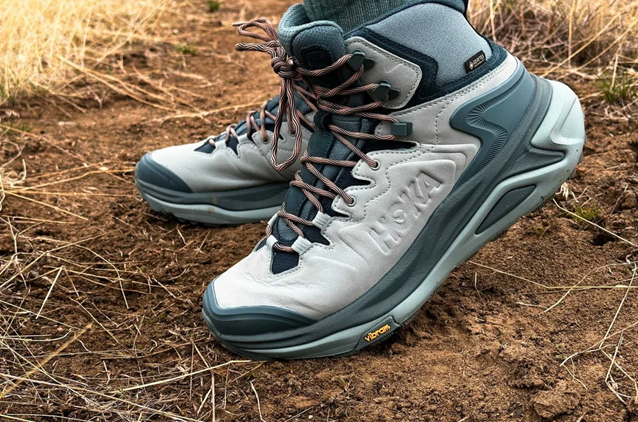
Before you dive into the details, you should think about the environments where you plan on going on a hike. Muddy woods, rocky terrain, and smooth forest paths require different types of shoes. So, matching the trail with the proper durable and comfortable hiking shoes will make every adventure easier.
Shorter hikes and well-maintained trails call for lightweight, low-cut, flexible designs that give your foot the flexibility to move naturally. They’re great if you prefer a faster-paced hike. Rougher terrain, on the other hand, requires additional structure and more underfoot protection.
Mid-height footwear gives you more ankle coverage and is good to wear on longer hikes and uneven terrain. If you’re doing a multi-day hike, carrying heavier loads with all the important hiking gear, or going through very demanding trails, you should invest in sturdier footwear that has firmer soles and a stronger construction that provides more support.
Choose the Right Upper Materials
The upper is the part of the footwear that covers the top and sides of your foot. The material it’s made of affects weight, breathability, flexibility, durability, and moisture resistance. Leather is a popular choice because it’s abrasion-resistant, has a structured feel, and is very durable.
Nubuck and suede leather provide a softer, more flexible feel, although they still require appropriate care to maintain their look and performance. Synthetic uppers like nylon and polyester are lighter and don’t take so much time to break in. They have good airflow and dry faster than leather. This makes them suitable for hiking in warm weather.
You can also find footwear that combines materials. For example, the shoes can have leather panels, synthetic materials, and mesh in one design. This is done to create a balance between protection and flexibility. Choosing the upper material is all about the terrain you’re hiking on and how much maintenance you want to deal with.
Find the Right Size and Fit
Even the best, most expensive footwear can cause problems if it doesn’t fit properly. It should feel secure without squeezing your feet or restricting the foot’s natural movement. Start with the length. There should be a bit of extra space in the front so your toes can spread comfortably. Otherwise, they’ll hit the toe box and cause discomfort and pain.
At the same time, your heel should remain firmly in place when walking to minimize friction and reduce the risk of blisters. The width and shape also matter. If the forefoot is narrow, it will create pressure points. Too much space and your foot will slide around. It’s all about the balance. There are specialized designs with wide-fit options for people who need some additional space.
One piece of great advice is to try the shoes later in the day. This is the time when your feet are a little swollen and you’ll find the best fit. Also, make sure you wear the socks you plan on wearing on your hikes and test the shoes by walking or climbing stairs if possible. If you don’t need to make any adjustments, that’s the right pair.
Look at Sole Construction and Traction
The outsole of your hiking shoes is the bottom layer, and it makes direct contact with the ground. Its grip depends on the rubber compound and tread pattern. Take a look at the lugs. These are the raised sections of the outsole. If they’re deeper and more widely spaced, they’re more suitable for walking on loose dirt, mud, and soft ground.
Shallower patterns are more suitable for smooth surfaces and packed trails. Rubber compounds will also vary. Some are made for better grip on wet rocks, and others focus on abrasion resistance and longevity. Don’t forget about the midsole as well. It’s the part that provides cushioning, absorbs impact, and influences your stability.
EVA foam is lightweight and offers comfortable cushioning, while firmer polyurethane constructions are usually used in footwear made for heavier loads and extended use. Some models have rock plates or protective shanks whose job is to reduce pressure caused by uneven ground and sharp stones.
Check Durability and Construction Quality
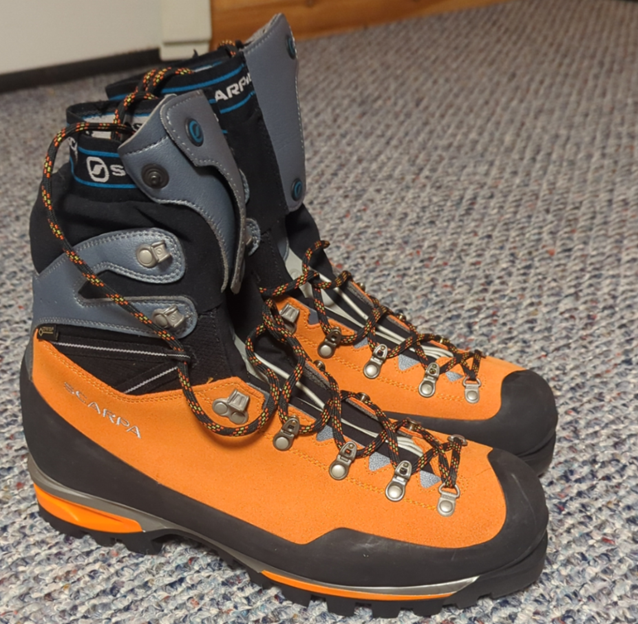
A durable pair of shoes for hiking needs to be able to handle repeated use over rocks, gravel, roots, and other abrasive surfaces. Reinforced toe caps protect the front of your foot from impacts. A sturdy heel counter provides better structure and keeps your heel properly positioned. Rubber or synthetic overlays along the sides provide additional protection against scrapes and abrasion.
Take a look at the stitching, bonding, and seams between the outsole, midsole, and upper. If these connections are not sturdy enough, they become weak points after some exposure to moisture and demanding trails. People often forget about the lacing system, but it also matters. Strong eyelets, durable laces, and well-positioned hooks allow you to adjust tension across different parts of your foot.
Consider Practical Features
Weather protection is crucial when it comes to unpredictable outdoor conditions. Waterproof membranes, like GORE-TEX, prevent external moisture from entering the shoe and allow perspiration to escape. This protection is worth having when dealing with wet grass, muddy trails, and rainy hiking conditions.
For hot-weather hiking or routes involving frequent stream crossings, breathable, quick-drying footwear will be a more practical option. Other useful details are gusseted tongues, which help prevent dirt and debris from entering, padded ankle collars for added comfort, and removable insoles that allow you to use your preferred footbeds.
In Summary
Choosing proper hiking footwear means looking beyond appearance and focusing on the details that influence comfort, protection, and performance. Consider your usual terrain, compare materials, check the fit carefully, and pay attention to sole construction and durability. A well-chosen pair should support your outdoor activities without creating unnecessary discomfort.


About Author

alex
?You can always edit a bad page. You can’t edit a blank page. Likes: ❤️ Beer ?, Pizza ? Dislikes:? Mice?, Barber ? Favorite song: ? Hurts - Wonderful Life