
Upgrading Turbo Power: Practical Insights on the Importance of EcoBoost Intercoolers, Exhausts, and Downpipes
Debuting in 2009 with a 3.5-liter twin-turbo V6, Ford’s EcoBoost engines redefined the automaker’s powertrain strategy by replacing traditional, larger-displacement V8s. A revised version of this V6 soon found its way into the F-150 – America’s best-selling vehicles – with buyers praising its impressive power, high torque, and significantly improved fuel economy. Ford later expanded the EcoBoost lineup with smaller, turbocharged four-cylinder engines, such as the 2.0 and 2.3-liter variants. These versatile engines eventually powered everything from the Bronco to the Mustang, effectively shifting larger V6 and V8 engines into premium, factory-tuned options at higher price points.
As EcoBoost engines gained widespread adoption and a growing aftermarket emerged, owners began tuning the engines with serious modifications. Beyond simply fixing early factory issues, such as intake valve carbon buildup, overheating, coolant loss, and warped exhaust manifolds, enthusiasts found they could significantly boost the engines’ already respectable power with affordable performance EcoBoost parts, while further improving efficiency and reliability.
Performance Intercoolers
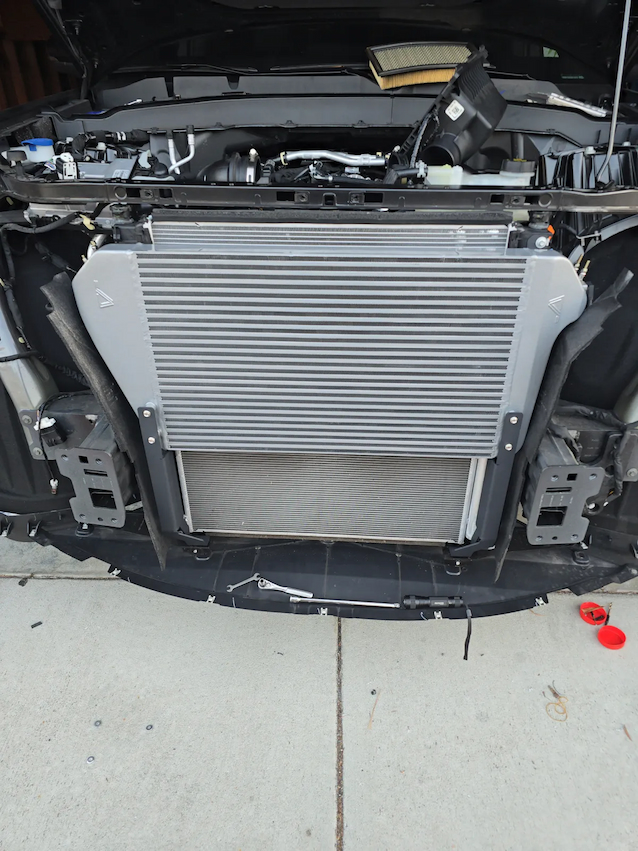
Early OEM intercoolers relied on plastic end tanks and thin tube-and-fin cores, which severely limited cooling efficiency and caused excessive heat soak under heavy engine loads or in warm ambient temperatures. In real-world driving, this resulted in drivability issues ranging from sudden power loss to hesitation during acceleration caused by drops in boost pressure.
Aftermarket upgrades resolve these issues by utilizing larger-core, bar-and-plate, air-to-air intercoolers equipped with durable cast-aluminum end tanks. Typically front-mounted behind the bumper for maximum airflow, these upgraded units eliminate flow restrictions, maximize core volume, and ensure long-term reliability. The real-world benefits include drastically reduced intake temperatures, crisper throttle response across the entire power band, and depending on the engine, power gains of up to 20 horsepower.
Stainless Steel Downpipes
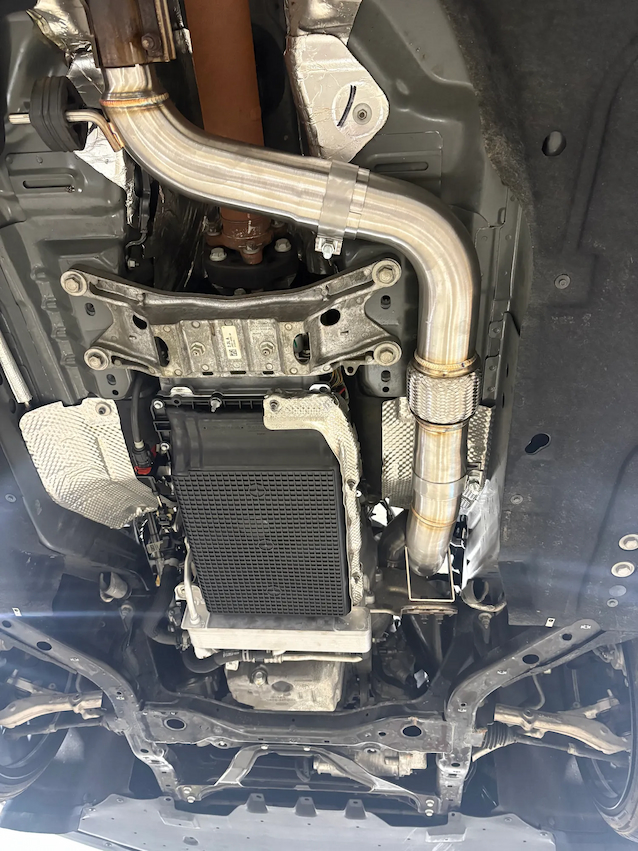
Factory EcoBoost downpipes feature restrictive, high-cell ceramic catalytic converters designed to reduce emissions. However, this design frequently causes heat soak near the turbines and leaves the converters prone to clogging or cracking under extreme thermal stress. This restriction results in significant turbo lag and power loss, and in severe cases, disintegrating converter particles can be re-ingested into the engine, causing catastrophic failure to the cylinders, pistons, and valves.
To resolve these issues, aftermarket performance EcoBoost downpipes utilize wider, smoother mandrel-bent stainless steel piping that minimizes turbulence and exhaust flow resistance. Drivers can choose between less restrictive metallic catalytic converters to maintain a balanced sound and emissions compliance for street use, or entirely cat-less configurations to maximize airflow for dedicated track vehicles. By significantly reducing exhaust backpressure, these performance downpipes allow turbochargers to spool up faster, deliver power gains of up to 20 horsepower, and produce a louder, more aggressive exhaust note.
Aftermarket Exhausts
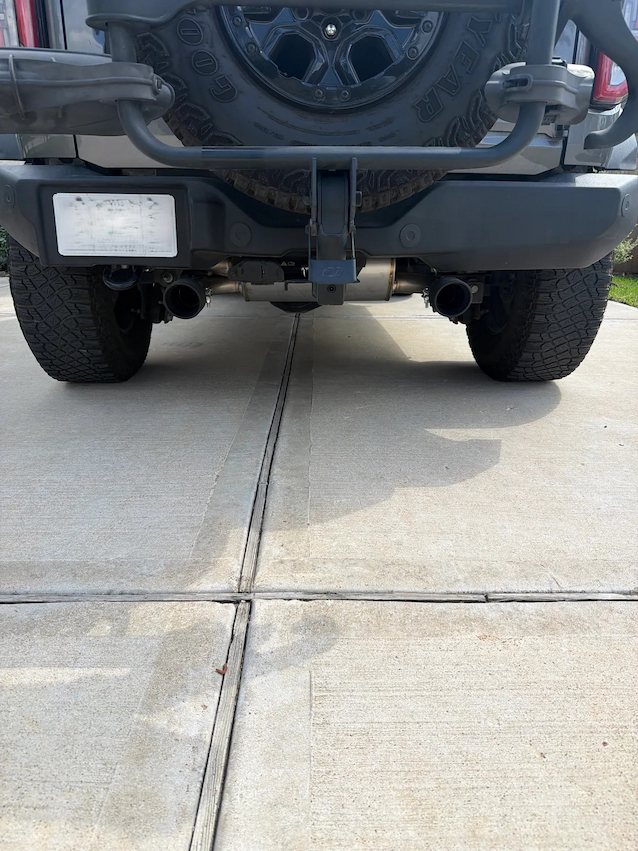
Upgrading EcoBoost vehicles with an aftermarket exhaust system is one of the more effective ways to unlock hidden performance. Designed specifically to complement turbocharged platforms, performance exhaust systems maximize exhaust flow by eliminating the restrictive bottlenecks found in factory setups. By reducing backpressure, an aftermarket exhaust allows the turbo to spool faster, resulting in sharper throttle response and noticeable gains in both horsepower and torque.
Beyond the performance gains, unmatched durability is where aftermarket systems outpace factory units. Constructed from high-grade, mandrel-bent stainless steel, these exhaust systems are built to withstand extreme exhaust gas temperatures and harsh driving conditions without cracking or degrading over time. The robust construction ensures lasting rust and corrosion resistance, ensuring long-term reliability
Finally, go aftermarket for a deep, aggressive exhaust note that gives EcoBoost engines a full-bodied, throatier growl without the irritating highway drone.
Benefits of Upgraded Intake Piping and Cold Air Intakes
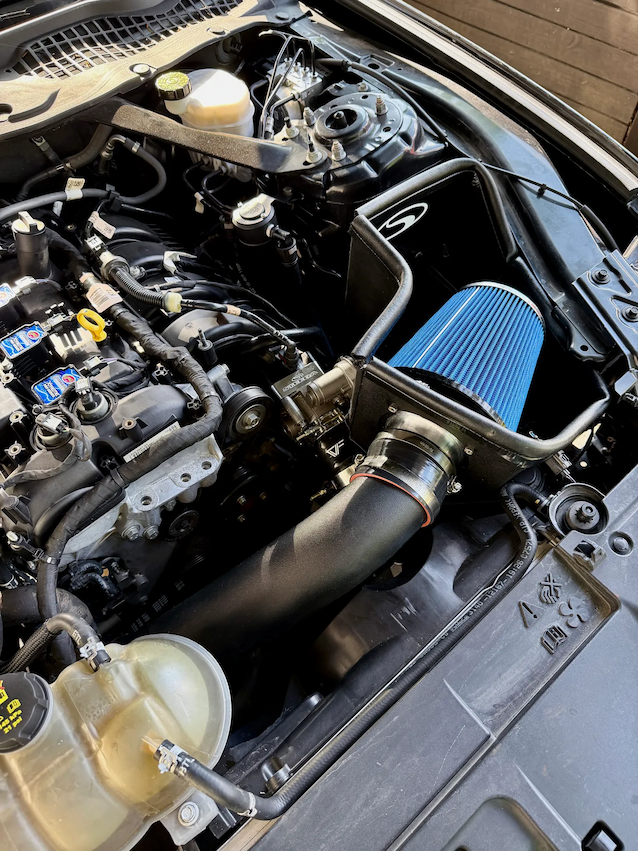
Intercoolers, aftermarket downpipes, and performance exhausts do most of the heavy lifting for power gains while simultaneously resolving factory engine reliability issues. While these core upgrades lay the foundation, replacing the restrictive factory airbox and filters with a cold air intake further enhances performance. These intake systems utilize high-flow cone filters in dry or washable configurations alongside metal primary tubing to deliver improved filtering, a deeper intake sound, and unrestricted airflow.
To maximize this setup, upgrading to a machined aluminum aftermarket turbo inlet pipe is highly recommended, especially when pushing higher boost pressures. Factory inlet pipes rely on plastic or polymer piping that suffers from subpar build quality and restrictive chokepoints that starve the engine of necessary boost. Furthermore, unlike factory units, aftermarket aluminum piping eliminates the risk of cracks and thermal stress, which can cause engines to run lean or draw in debris that damages turbo bearings and impellers. By switching to machined aluminum, you ensure increased airflow, improved turbo efficiency, and structural integrity under stress.
When combined, this selection of EcoBoost upgrades, including exhausts, downpipes, intercoolers, and intake piping, adds roughly 50 horsepower to a non-tuned engine. However, when paired with an ECU remap, the components unlock the vehicle’s true potential, producing well over 100 horsepower at the wheels.


About Author

alex
?You can always edit a bad page. You can’t edit a blank page. Likes: ❤️ Beer ?, Pizza ? Dislikes:? Mice?, Barber ? Favorite song: ? Hurts - Wonderful Life