
Engineered Flow: Your Guide to Selecting Fuel Transfer Systems That Hold Under Pressure
Fill-Rite is a manufacturer of fuel transfer equipment used in industrial, agricultural, and commercial applications. Their product range includes electric and manual pumps, fuel meters, hoses, nozzles, and system accessories designed for accurate and reliable fuel dispensing. The focus is on durability, consistent flow, and dependable measurement across repeated use.
Fuel transfer plays a central role in industries where efficiency depends on consistent supply. Whether supporting agricultural machinery, construction equipment, or fleet vehicles, the process must be controlled, reliable, and repeatable. When systems fall short, the impact shows quickly: lost time, inaccurate dispensing, and increased operational costs.
A well-matched setup avoids these issues by maintaining steady flow and dependable performance, even under continuous use. The difference is rarely dramatic in a single moment, but over time it defines how smoothly an operation runs.
What the Work Demands
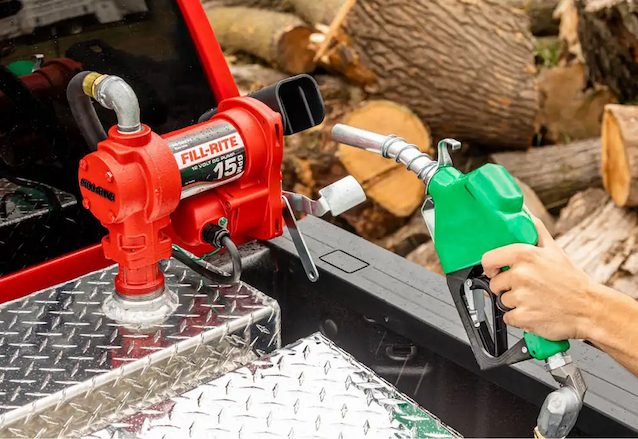
The Fill Rite systems are often associated with applications where consistency and control are non-negotiable. Not all fuel transfer tasks are equal, and different environments place very different demands on equipment.
Some require occasional use at low volumes, while others demand continuous operation across large quantities. These differences shape the type of system needed, from simple manual setups to more advanced configurations built for sustained output.
Environmental factors also come into play. Outdoor use introduces exposure to weather, while enclosed spaces may require tighter handling and cleaner operation. Fuel type adds another layer, as certain liquids require materials that resist corrosion or degradation.
In each case, the goal remains the same: consistent delivery without compromise, regardless of conditions. A well-chosen, reliable Fill Rite system shows its value in how steadily it delivers fuel under repeated starts, stops, and varying load demands in everyday use.
Precision as a Baseline
Accuracy is fundamental in fuel transfer. Systems designed for controlled output ensure that each transfer remains consistent, reducing discrepancies and supporting better resource management. This becomes particularly important where fuel usage is tracked or cost-sensitive, as even small variations can accumulate over time.
Steady flow rates and dependable measurement are not just technical features but they directly affect efficiency. Equipment that maintains performance across repeated use allows operators to rely on predictable results, supporting both operational clarity and cost control.
Matching Systems to Application
Selecting the right system begins with understanding how it will be used. Manual pumps offer independence from power sources and are often suited to smaller-scale or occasional tasks. Electric pumps, by contrast, provide faster transfer speeds and reduced physical effort, making them more appropriate for frequent or high-volume use.
Additionally, mobile systems allow flexibility across different locations, while fixed installations provide a stable, permanent solution for dedicated workspaces. Flow rate should align with operational needs rather than maximum capacity, ensuring efficiency without unnecessary strain. A system that matches its application performs consistently, without introducing complexity or limitations.
Control That Holds Over Time
Ease of use often determines whether a system remains effective in the long run. Straightforward installation, intuitive operation, and compatibility with existing setups all contribute to smoother workflows. When equipment integrates seamlessly, it reduces the likelihood of errors and interruptions during daily use.
Consistency in handling also supports better outcomes. Systems that maintain controlled flow and reliable shut-off minimize waste and improve safety. Over time, these advantages translate into fewer disruptions and more predictable operation.
Built to Endure Daily Use
Durability defines how well a fuel transfer system holds up under repeated demand. Components exposed to fuel and pressure must resist wear while maintaining their integrity. High-quality seals prevent leaks, while robust housings protect internal mechanisms from damage. These features are essential in preserving performance over extended periods.
Furthermore, systems designed to withstand temperature fluctuations and exposure to moisture continue operating effectively in challenging conditions. This reduces the need for frequent maintenance and lowers the risk of unexpected failure. A durable system not only lasts longer but also supports consistent output throughout its lifespan.
Types and Practical Selection in Use
Different fill rite USA available system types serve distinct purposes, and understanding these differences helps refine the selection process. Manual units prioritize simplicity and control, making them suitable for smaller operations or situations where power access is limited. Electric systems focus on efficiency, delivering higher flow rates with minimal effort, which suits larger-scale or time-sensitive tasks.
Portable setups suit mobile refueling tasks like moving between equipment on a site or handling fuel across multiple locations without fixed infrastructure. Fixed installations are better suited to dedicated stations where dispensing happens in a single controlled point, often tied to higher-volume or routine daily use.
The decision comes down to whether fuel transfer needs to move with the work or stay anchored to one place, shaped by how often dispensing happens and how much fuel is handled at once.
Tips for choosing and using effectively:
- Assess usage frequency and expected fuel volume before selecting a system;
- Match flow rate to operational needs instead of opting for maximum output;
- Choose compatible connections to ensure secure, leak-free operation;
- Maintain seals and components regularly to preserve accuracy;
- Store equipment properly to extend lifespan and prevent damage.
A System That Works, End to End
Fuel transfer systems perform best when selected with a clear understanding of their role. From precision and durability to usability and application fit, each factor contributes to overall performance.
A system built for consistent delivery supports smoother operations and reduces long-term costs. When everything aligns, from installation to daily use, the result is a process that works without interruption, maintaining efficiency where it matters most.

About Author

alex
?You can always edit a bad page. You can’t edit a blank page. Likes: ❤️ Beer ?, Pizza ? Dislikes:? Mice?, Barber ? Favorite song: ? Hurts - Wonderful Life