
Hockey Glove Basics 101: A Practical Guide for All Players
When you think of hockey gear, which piece do you imagine does most of the work? Watch a game, and you’ll see that it’s the gloves, keeping hands safe from injury while making every shot, pass, and puck battle possible. In this article, we’ll look at why hockey gloves matter, break down their design, and help you figure out how to choose the pair that’s right for your game.
Hockey Glove Basics
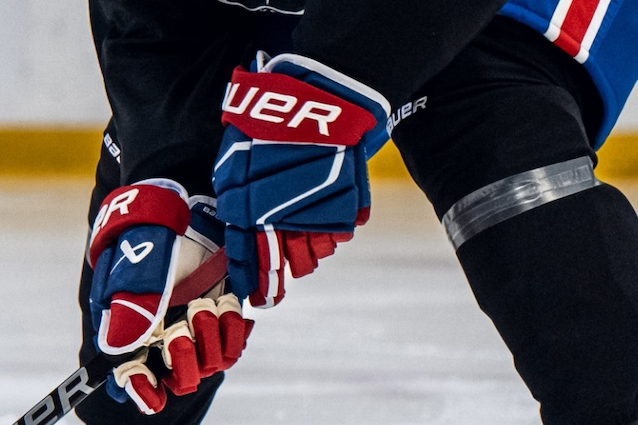
Even if you’ve never played hockey, you just need to watch a single match to notice how much players rely on their hands. There is constant action like shooting, passing, battling for the puck going on and at the heart of it all, it comes down to grip and control. That’s why hockey gloves have become a must-have piece for players.
These days, hockey gloves are easier to find than ever, and you can even pick up professional-level protection like quality senior hockey glove at specialized stores. This piece of gear keeps your hands safe and lets you play your best.
Why Gloves Matter
Regardless of your skill level, hockey gloves serve as your first line of defence on the ice. They protect your fingers, knuckles, and wrists from flying pucks, slashing sticks, and that tumble on the ice you can’t go without once in a while.
Deciding to play without them is not really the smartest decision, as even a minor impact could lead to bruises or even worse, fractures. You also will want to wear beginner or senior hockey gloves for the grip you need to handle the stick, whether it’s for setting up a pass or winding up for a slapshot.
Breaking Down the Glove
At first glance, hockey gloves look like solid pieces, but they’re actually a collaboration of five parts with specific roles. Each one protects your hands while helping you reach an optimal performance. Let’s break down the anatomy of a glove and see how each section does its job.
- Cuff: The opening of the glove is designed as a cuff that shields your wrist and forearm.
- Backhand: On the back of your hand, the gloves have padding that absorbs hits to the area.
- Palm: This part is usually made with synthetic leather that feels comfortable on the skin, but also has a stick feel.
- Thumb: The thumb area has to be sturdy and reinforced to prevent awkward bends or hyperextension.
- Break Point: This one refers to the flex zone that allows you to close your hand naturally.
Understanding these glove parts helps you choose a pair that balances protection with mobility.
Features That Count
Modern gloves come with layers of foam, plastic inserts, and durable fabrics like nylon and polyester. There are some feature combinations, and if you choose the right one, your hands won’t feel like they’re trapped in a box. If your budget allows, look for models with moisture-wicking liners to fight sweat and smell and lightweight foams that don’t feel as heavy to wear.
Materials: Old vs. New
Back in the day, you could only find leather hockey gloves. That’s not necessarily bad, as they lasted forever, but what used to bother players was that they took months to break in.
Today’s gloves are made with synthetic materials that feel much better right away, though the palms wear out faster. Of course, you can still find some ice hockey gloves senior models that often reinforce high-wear areas and are made using advanced foams to keep things light but tough.
The Types of Hockey Gloves
When shopping for a new pair of hockey gloves, it helps to know that there are a few different types available, and you should choose one that fits and feels well. Here are the main styles:
- Tapered Fit: If you prefer a snug fit around your fingers and a roomy wrist, opt for these. They’re great for stick control and mobility.
- Anatomical Fit: These follow your hand’s natural shape and are considered as the precise, responsive, and low-profile option.
- Traditional Fit: This classic glove offers extra space for comfort.
Making an informed decision when selecting hockey gloves can enhance your performance and increase your confidence on the ice. When the glove fits well and feels nice, you get to focus on shooting, passing, and battling for the puck without worrying about injuring your hands.
How To Choose Your Hockey Gloves?
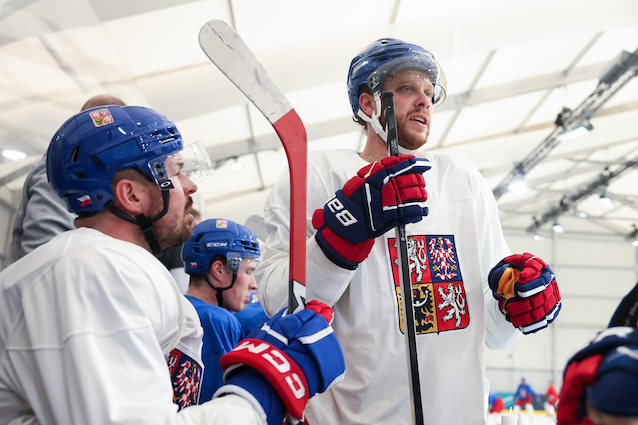
Choosing a senior hockey glove isn’t just about grabbing the first pair you see, but making sure they fit comfortably, protect your hands, and suit the way you play. Here are some things to consider before you purchase your pair.
Fit and Size
To get the size right, measure from the tip of your longest finger to the start of your elbow pad. That number in inches is your glove size. Adult gloves usually range from 13 to 15 inches, while junior and youth sizes are smaller. When you’re wearing them, the gloves should meet your elbow pads without your fingers pressing against the ends.
Play Style Considerations
Your position on the ice can influence the type of gloves you’ll want to wear while playing. Wingers feel best wearing snug gloves that give them quick stick control. Defensemen usually prefer models with more padding to handle blocking shots and physical play, and centres balance mobility and protection to cover both ends of the rink.
Common Mistakes
It’s actually very easy to make mistakes when buying gloves, especially online. Some players overlook finger protection and sizing, while others focus only on price and end up with gloves that wear out after a couple of games.
Avoiding these mistakes people usually make can help you find gloves that last long and perform equally as well. By paying attention to size, quality, and your style of play, you’ll end up with gloves that truly support the way you play.
Hockey gloves might not take the spotlight as sticks or skates do, but they’re the piece of gear that quietly makes every play possible. They keep your hands safe, steady, and ready for whatever the game throws at you. So next time you hit the ice, give a little credit to your senior hockey glove pair; they’re working just as hard as you are.



About Author

alex
?You can always edit a bad page. You can’t edit a blank page. Likes: ❤️ Beer ?, Pizza ? Dislikes:? Mice?, Barber ? Favorite song: ? Hurts - Wonderful Life