
Important Factors to Consider When Buying a Microphone Stand
Whether you’re working in the studio or commanding the stage during a live performance, a reliable mic stand is a necessity for hands-free operation. Whether you’re a singer, podcaster, musician, or content creator, a quality tool keeps your mic steady, lets you focus on your performance, and helps you work hands-free.
From compact desktop models to heavy-duty boom options and everything in between, these tools come in a wide variety of shapes, sizes, and designs. Some are built for the stage, while others are tailored for studio precision. Choosing a durable microphone stand gives you peace of mind.
Whether you’re doing a high-energy live gig, recording vocals in the studio, or streaming for hours, you want your sound receiver to stay exactly where you put it. Durable stands are built with stronger materials, better joints, and more stable bases, so they handle years of regular use without becoming loose or unreliable. In the long run, this also saves you money.
Cheap options often need replacing after a year or two, while a well-made one can last for a decade or more. It’s a small upgrade that protects your gear, improves your performance, and removes one more thing to worry about. Whether you’re setting up your first home studio or upgrading your live rig, I’ll help you find a stand that perfectly matches your needs.
What is It?
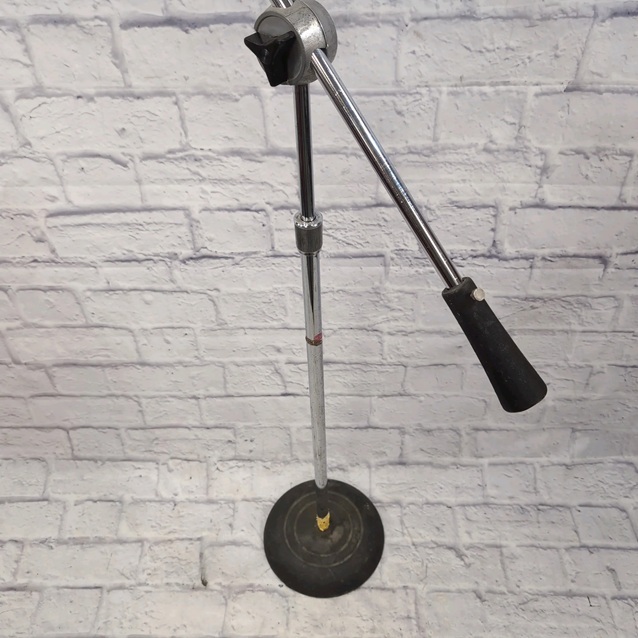
Microphone stands are simply the support system that holds your mic steady so it can do its job properly. Whether you’re performing live on stage or recording vocals in a studio, this tool keeps the device exactly where you need it, allowing you to focus on your performance instead of constantly adjusting things by hand.
Most options are height-adjustable, which is incredibly handy whether you’re standing or sitting. Many also come with a boom arm that lets you extend and angle the receiver horizontally for the perfect position. When it comes to mounting, you’ll usually find either a 3/8-inch or 5/8-inch screw thread on the stand.
Do I Need a Mic Boom Arm?
If you’re unsure which type to go for, I’d generally recommend choosing a microphone stand that includes a boom arm. The good news is that many boom arms are detachable, so you can easily switch to a straight setup whenever you don’t need the extra reach. A boom arm adds a surprising amount of flexibility. It lets you position your mic in ways a basic tool can’t.
What Do I Need to Record Podcasts?
When recording a podcast right next to your computer, a simple tabletop option is usually the most convenient. However, if your desk is already crowded, a broadcast-style option can be a smart alternative. These compact designs resemble a small desk lamp and often have the cable neatly built in. Just be sure to choose the right connection type, either XLR or USB, to match your setup.
What Kind of Clip Do I Need?
Some products already come with a clip, but if yours doesn’t, they’re cheap and easy to buy separately. Most clips feature a standard 5/8-inch thread and include a built-in adapter for 3/8-inch fittings. You can also pick up extra adapters if needed.
High vs Low Stand
The height and design of mic stands can make a big difference depending on what you’re recording. Here’s a quick guide to help you choose the right type:
- Standard boom-arm options work great for most vocalists and for miking instruments like pianos or drum kits from above.
- Overhead options are the way to go when you need extra height and stability, especially with heavier sound receivers.
- Medium-height boom options offer the perfect balance for seated acoustic guitar playing or placing mics in front of amps and kick drums.
- Ultra-short options (or tabletop models) are ideal for tight spots, such as placing a mic inside a kick drum.
Can I Expand the Stand?
You can easily expand the functionality of your setup with a range of handy accessories and extensions. Simple add-ons like cup holders can attach directly, while extensions let you reach further or even mount several sound receivers or instrument clamps at once. For more creative arrangements, a flexible gooseneck is a brilliant option. Some models also include an XLR input, allowing you to plug in a talk-back mic straight into your mixer.
What’s the Best Base?
When it comes to the base, you generally have two main options. Tripod bases are lightweight and usually fold up nicely. They’re easy to carry around and store. On the other hand, round or square solid metal bases are heavier and more compact, which gives them a cleaner, more professional look while taking up less floor space.
Can I Mount a Recorder or Camera onto It?
Most cameras and recorders don’t have the standard threads needed to attach directly to a stand. However, you can easily solve this with simple screw adapters that convert the fitting to the common 1/4-inch size used by most cameras and recording devices.



About Author

emily
?The first draft is just you telling yourself the story. Likes: ❤️Cats ?, Dogs?, Chocolate Icecream ? Dislikes:? White Wine?, Chinese food ? Favorite song: ? Ashlee - Alone With You