
Japanese vs. English Pokémon Cards: Which Is Best for Collectors?
Have you ever ordered a pack of Pokémon cards and wondered why some have Japanese text, different card backs, or numbers that don’t seem to add up? Well, Japanese and English cards might look identical at first glance, but a few small differences can change how you collect, play and spend your money. Once you get your head around them, picking the right cards and reading them becomes a whole lot easier.
Japanese vs. English Pokémon Cards
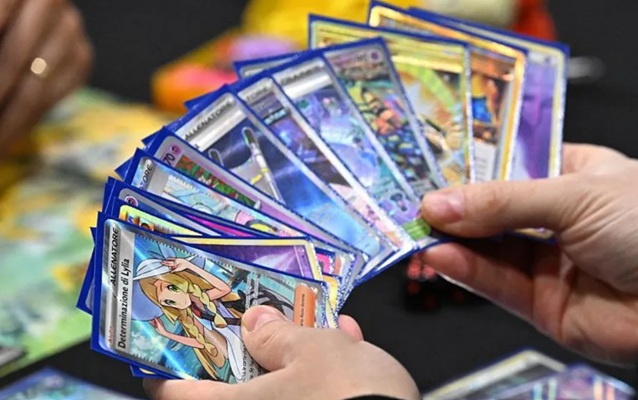
Japanese and English Pokémon cards are basically the same game but printed twice. Mainly, the differences are in the language, pack size, and price, but the attacks, HP, and rules match. Knowing how they both come can help you decide how to spend your money right.
Japanese Cards
These cards are printed in Japanese by The Pokémon Company. New cards almost always launch in Japan first, with the English version following a bit later.
Japanese packs hold 5 cards and cost around ¥200 (about $1.83), so opening a few won’t exactly cause you to go broke. Plenty of collectors get into the exciting Japanese Pokemon TCG because the sets are smaller and tighter, which makes finishing a whole set a lot more doable. You’ll see art rarities like AR and SAR, and the artwork and layout give familiar Pokémon a different look.
One catch is that Japanese cards have their own card back, and sometimes that’s enough to cause trouble at some tournaments.
English Cards
English cards are what most people refer to when they say “American” cards. There’s no separate print for other countries, just one English release that ships to Australia, the UK, the US and the rest. These cards are published by The Pokémon Company International a bit after Japan, and sets are often squished together from a few Japanese ones.
Japanese booster packs come with 30 packs, and the English booster box has 36 packs. Pokémon Centre lists a pack at $4.49, so they cost more per pack. The rarities are called Illustration Rare and Special Illustration Rare.
The good thing is, English Pokémon cards share the international card back, so they’re usually the safer pick for playing in sanctioned events such as tournaments.
Which Ones to Buy

At the end of the day, it all comes down to what you want to do with your money. If you want to play at a local league or a tournament, grabbing the English cards is the safer approach as you won’t have to stress about legality.
However, if you only care about collecting Pokemon Japanese cards, chasing art, keeping sealed boxes or seeing new cards early, go Japanese. Plenty of people choose both, which is also smart, but if you’ve only got the budget. Just check the product details before you buy, because pack counts and rarities can change from set to set.
The reality is, there is no wrong choice here. Think about whether you want to battle or collect, then pick what suits you.
How to Read a Japanese Pokémon Card
The Japanese Pokemon TCG has gone way beyond the collecting stage and playground and can hide some seriously cool finds. If you’re worried about not being able to read them, you’ll just have to learn a few simple rules and have no trouble at all. Every modern Pokemon Japanese card has four little symbols at the bottom-left corner, and they tell you pretty much everything.
Regulation Mark
This is the letter you’ll find in the very first symbol along the bottom-left corner. It shows which regulation block the card belongs to, and that decides whether it’s legal in the current Standard format.
For example, the letter “G” mark first showed up with Scarlet ex and Violet ex in January 2023. As of April 2025, G, H and I are legal. If you’re a collector, it’s also a quick way to work out roughly when a card came out.
Expansion Mark
Right after the regulation mark in the bottom left corner comes the expansion mark. For instance, the SV1V: SV sign means Scarlet & Violet, the 1 is the first main expansion, and the V means it’s from the Violet ex set. A card marked SM9, like Pikachu & Zekrom-GX, comes from the ninth Sun & Moon expansion.
Card Number
Next to the expansion mark you’ll see a number that’s called the collector number. Say you see 037/078. The 078 is how many cards are in the main set, and 037 is that spot of the card you have in it.
Here’s the fun bit: secret rares like SAR, UR, SR and AR don’t count in that total, so their number goes higher than the set size, like 080/078. Without knowing this rule, a number like that would’ve left you feeling confused. Now you know you’ve probably pulled something special.
Rarity Mark
The rarity mark is a short code, usually one to three letters, that shows the card’s rarity. It can be found right after the card number in the bottom left part of the card. Rarity has a big say in how much a card is worth, so check this one first whenever you pull something shiny.
Once you know how to interpret these four sign boxes, you can read most Pokemon Japanese trading cards in a few seconds.
Whether you go fully Japanese, English or even decide to mix a bit of both, knowing what’s on the card puts you ahead of the game. Grab your next pack, flip it over and test your luck.


About Author

alex
?You can always edit a bad page. You can’t edit a blank page. Likes: ❤️ Beer ?, Pizza ? Dislikes:? Mice?, Barber ? Favorite song: ? Hurts - Wonderful Life