
Performance Exhausts: An Important Car Investment In Sound and Performance
There’s nothing magic about building a great exhaust system. A mastery of airflow basics, and a solid understanding of the factors that can impact those basics is where the magic resides.
Experienced engine builders and tuners know that regardless of the size of the engine, core “free-breathing” design fundamentals are universal. In order for an engine to take in cool clean air, it needs to be able to get rid of hot spent gases quickly and efficiently. And it’s no coincidence that for aftermarket exhaust system manufacturers, there’s also the requirement for understanding the regulatory environment governing how those spent gases are disposed of.
Aftermarket Exhaust Basics That Deliver Balanced Performance
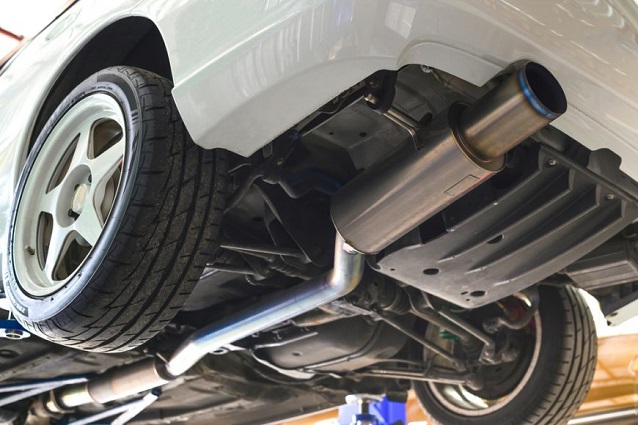
Make no mistake: a great exhaust system is more than a selection of good-looking tubes. A properly engineered turboback or catback system can be counted on to pack premium performance, economy and regulatory compliance into a single package. And for Aussie builders and tuners, that means investing in high performance car exhausts that offer a verifiable range of balanced attributes which include:
- Maximised power and torque. A properly balanced exhaust system, one that efficiently evacuates spent gases while simultaneously drawing fresh charges of air and fuel into the combustion chambers, is essential for maximising power and torque output at all RPM ranges.
- Maximised fuel economy. When fitted with a balanced exhaust system, an engine doesn’t have to work as hard to produce the same, or more power. And in the absence of any restrictions that would prevent an engine from operating more efficiently, fuel consumption will inevitably drop.
- Optimised temperature management. Heat is an engine’s worst enemy, and excess heat from the exhaust system can cause chaos for induction systems, MAF sensors and a host of other electronics. A balanced high performance exhaust system locks in heat, allowing optimised temperature management to maximise output and economy.
- The perfect exhaust note. The perfect aftermarket exhaust note is one that exudes power without causing noise emission problems. The exhaust pulses from a well-balanced exhaust system will be free from turbulence-inducing harmonics, resulting in a sound that’s rich but not offensive.
- Reduced carbon emission. By maintaining the optimal temperature and spent gas velocity, properly balanced aftermarket exhaust systems are guaranteed to make optimal use of the catalytic converter, thereby reducing carbon emissions and avoiding compliance complications.
Ideally, with a correctly set up and balanced aftermarket exhaust, performance is going to thrive. Everything comes down to the basics of flow dynamics, though: an understanding of how to move spent gases away from the engine as rapidly as possible. It’s a straightforward process that, when properly optimised and combined with advanced intake tuning, can even result in a doubling of engine output in certain applications.
Flow Dynamic Basics That Drive Exhaust Design Forward
From hardworking turbo-diesels utes and AWDs, to high-revving sports cars and backyard customs, the basics of flow dynamics that drive the best performance exhaust designs and developments forward don’t change.
- The need for maximum exhaust scavenging. Scavenging occurs when the vacuum created by spent exhaust gases moving from high pressure to low pressure aide in rapidly sucking fresh air/fuel mixtures into the engine.
- The need for maximum exhaust velocity. As scavenging increases, the velocity of the air moving through the system also increases. This is especially beneficial for turbocharged engines, allowing them to spool up quicker and to produce boost faster.
- The need to eliminate exhaust backpressure. Whether it’s the result of poorly welded joints, force-bent tubing or an over-restrictive muffler, backpressure is any type of resistance to good airflow. Premium high performance exhausts for cars feature TIG-welded joints and mandrel-bent sections to keep backpressure at a minimum.
There’s no getting around the basics; and engine builders and tuners know that in order for a properly designed high performance car exhaust to achieve optimal scavenging, it has to keep spent gas velocities high and exhaust backpressure low. And while a mastery of the flow dynamics used by high performance exhaust systems is essential, the importance of employing the best materials for the best results also can’t be understated. This is where the advantages of premium alloys come in.
Materials and Coatings That Give Performance Exhausts the Advantage
While an auto manufacturer might ordinarily rely on the cost-conscious benefits of aluminised steel as a reliable option for an OE exhaust, aftermarket manufacturers know that aluminium coatings alone aren’t enough. Weight, durability and the ability to withstand extensive heat cycling are all basic considerations for high-end exhaust construction. That makes the use of premium-grade austenitic alloys an essential part of aftermarket exhaust system design.
There are three principle alloys used for crafting modern aftermarket exhausts, and each one comes with its own set of basic advantages:
- Cost effective 304 grade stainless. 304 stainless is one of the most frequently used alloys in car performance exhausts, boasting an 18%- 20% chromium content that, in addition to its durability and versatility, offers exceptional resistance to rust and corrosion while maintaining excellent polishing characteristics.
- Low stress 409 grade stainless. 409 stainless is more than a slightly less costly alternative to 304 stainless. What it lacks in maximum service temperature sustainability it quickly makes up for in thermal expansion capacity. 409’s resistance to breakage due to mechanical stresses gives it the advantage for the toughest driving applications.
- Ultra-lightweight titanium. Even though titanium costs considerably more than stainless steel, its dramatic weight savings, incredible heat dissipation properties and superb corrosion resistance helps position it as the last word in aftermarket high performance exhausts, both in strength and aesthetics.
Coatings also play a significant part in modern car performance exhaust material basics. Heat resistant enamels and powder coatings are vital for keeping scavenge-encouraging heat locked inside the exhaust system. And the role they play in ensuring cars are compliant with prevailing safety and emissions regulations is the last but not least basic concern for any builder or tuner in the market to buy performance exhaust components.
ADR Compliance Is A Basic Requirement For Modern Aftermarket Exhausts
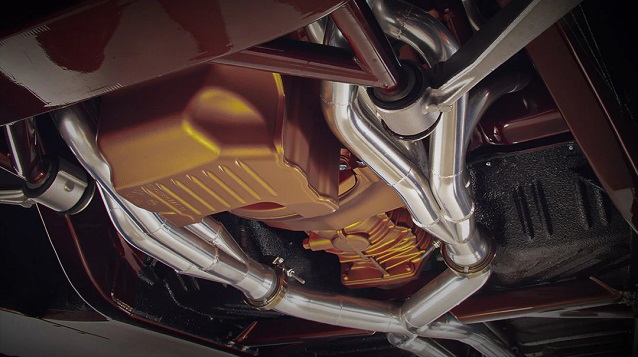
Let’s be honest: when it comes to high performance exhaust systems for cars in Australia, ADR design rule compliance is as important as flow dynamics. In fact, the impact that noise and CO2 emissions compliance can have on exhaust flow dynamics are so profound that they have to be accounted for in their basic performance. Fortunately, premium after market exhaust manufacturers know precisely what to do to make their systems fully ADR compliant.
The basic compliance attributes that engine builders and auto tuners always need to be on the lookout for, especially when purchasing high performance exhausts online should crucially include:
- 100 or 200 cell count catalytic converters that are designed for higher exhaust flow;
- Metallic honeycomb catalytic converter substrates that produce less backpressure than ceramic variants; and,
- Low baffle-count mufflers that deliver maximum flow-through without exceeding the 96db limit.
Ultimately, it’s not too much to expect a vehicle that’s equipped with aftermarket cats and mufflers to produce more power, but without sacrificing its ADR compliance. Modern high performance exhaust for cars makes achieving that objective a basic requirement.
The Final Word
At the end of the day, it doesn’t matter if a tuner is looking for more power, better fuel economy or a throatier note, the art of perfecting exhaust performance begins with a mastery of the basics. That makes an optimised balance of flow dynamics, materials and ADR compliance the top priorities for delivering the biggest aftermarket benefits.
High performance car exhausts offer the performance and sound that owners and tuners want for their cars. And with the advantage of being able to purchase complete turboback and catback systems online, they’re an investment that’s well worth making.



About Author

alex
?You can always edit a bad page. You can’t edit a blank page. Likes: ❤️ Beer ?, Pizza ? Dislikes:? Mice?, Barber ? Favorite song: ? Hurts - Wonderful Life