
The Importance of Food Packaging in Keeping Food Fresh and Flavourful
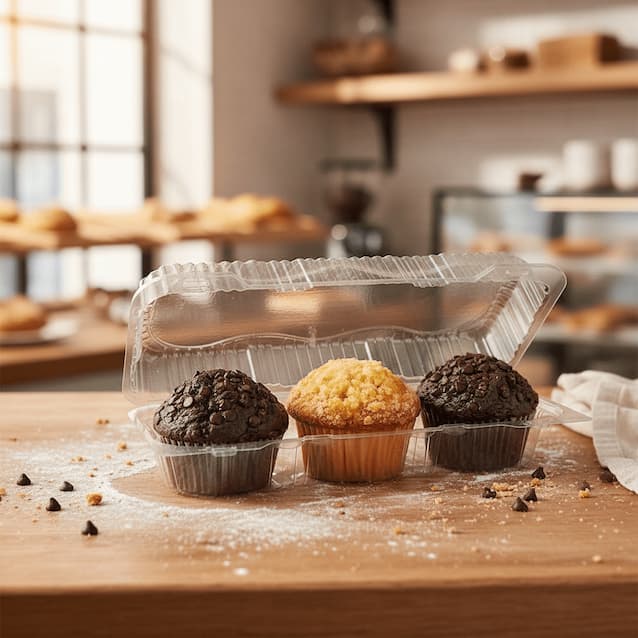
Many businesses that work closely with food share a major struggle: keeping food fresh, protected and visually appealing. Heat, moisture, pests and even basic sunlight can significantly affect the taste, texture and smell of food. To preserve the food you sell, you must pack it correctly.
Food packaging is more than just a means of keeping your food fresh for longer. It’s also about convenience and preserving the flavour you’ve worked hard to achieve. Many stores and restaurants use food packaging to keep their food sealed and edible, while protecting it from natural hazards.
From store shelves to home refrigerators, effective food packaging has many perks. Whether it’s fruit, vegetables, or premium cuts of meat, the right fresh food packaging helps maintain quality for longer.
What Is Fresh Food Packaging?
Fresh food packaging refers to materials and systems designed to protect perishable products from environmental damage and maintain freshness. Without proper protection, exposure to air, light, and contaminants can quickly affect quality.
Microorganisms are present everywhere in the environment, and although invisible to the naked eye, they can cause serious harm to food that’s left unprotected. Packaging creates a sealed barrier that helps reduce exposure to dust, pests, and other contaminants.
Not only does packaging protect your food, but it also helps maintain a visual appeal. Heat and other natural factors can affect the food’s texture and appearance, so even if it is safe to consume, it may look unappealing. If you see food left unpacked in a store or a bakery, you immediately question the locale’s hygiene and care for their customers.
Understanding Food Packaging Materials
The main factor that can make or break your food preservation efforts is the material of your food packaging. Every type of food has different packing and storage needs, so when you’re choosing your packaging, let the type of food you want to pack drive your decision-making efforts. Here’s a list of popular food packaging materials and how they can affect the longevity and taste of your food.
1) Plastic
Plastic is typically the packaging choice most businesses tend to lean towards. Whether it’s to store produce for later use or keep food fresh while on display. Plastic is affordable, practical, and highly versatile, available in a wide range of shapes and sizes.
You’ve probably noticed the popularity of plastic materials for food packaging. Every grocery store shelf, bakery display and restaurant kitchen is stacked with plastic-packed ingredients and foods that are ready to use. This is because its clear colour makes it easy to examine the items inside, making it an aesthetically appealing material as well as a practical one.
2) Paper
Paper is lightweight and eco-friendly. It’s a common material for packaging milk, eggs and bakery products, as it doesn’t allow any light to pierce the surface and spoil the integrity of these more delicate products. Most bakeries and grocery stores prefer using paper bags for packing items.
Paper is also easily biodegradable, safe for the environment, and, not to mention, a perfect marketing opportunity. Many businesses promote their products by decorating paper bags with their logos, slogans and emblems.
3) Glass
Glass is the perfect long-term, reusable solution to your packaging problems. It’s easy to clean, doesn’t absorb odours, and won’t affect the taste or quality of food products. While it can break if handled roughly, proper storage and careful use make glass containers a durable solution for keeping food safely stored over time.
Tips for Proper Food Storage
Proper storage of packed goods is essential for maintaining the quality and safety of your food products. Customers have a picture of what your food looks and tastes like, and you should do your very best to meet their expectations.
Although food packaging is the first step you should take to preserve your food, if you’re not selling it immediately, you have to store it a certain way to maintain its flavour, texture and aesthetic appeal.
Before you store your food, you have to consider some immediate factors that might affect its quality. Factors such as direct sunlight, high temperatures and humid places can spoil your food, no matter how well its packaging protects it. Packaged food should be stored in cool, dry places for the best long-term outcome.
Additionally, you should store your food according to the packaging recommendations for that specific category. Some foods are best stored in plastic containers, while others do just fine in paper bags. Store packaged food separately because improper food storage can lead to cross-contamination.
Avoid storing plastic packaging near direct heat, as it can cause the plastic to melt and leak harmful chemicals into the food. The same goes for glass jars and containers. If they’re stored in a hot environment and suddenly moved away to a cool place, the glass can crack and, in extreme circumstances, even explode.
Conclusion
Food packaging is essential for preserving the freshness of long-lasting products. With more customers choosing to shop in bulk, keeping food fresh for longer has become increasingly important for businesses. Well-designed, high-quality packaging also supports product presentation and customer trust, both of which contribute to stronger sales. Ultimately, choosing the right packaging helps businesses protect product quality while strengthening their overall brand experience.



About Author

emily
?The first draft is just you telling yourself the story. Likes: ❤️Cats ?, Dogs?, Chocolate Icecream ? Dislikes:? White Wine?, Chinese food ? Favorite song: ? Ashlee - Alone With You