
Important Things to Consider When Buying Luxury Furniture
The word “luxury” is everywhere in the furniture world. It can describe an expensive designer piece, a mass-produced sofa, or almost anything in between. With the label used so casually, it’s hard to know what sets genuinely high-quality pieces apart from something that simply looks the part. True luxury comes down to much more than a high price tag or a recognisable name. You’ll find it in the quality of the materials, the skill behind the construction, the thought put into the design, and the care put into the making process. I’ll explore the key things to look for when buying luxury pieces, from materials and craftsmanship to design, comfort, and long-term value.
Choose Quality Materials
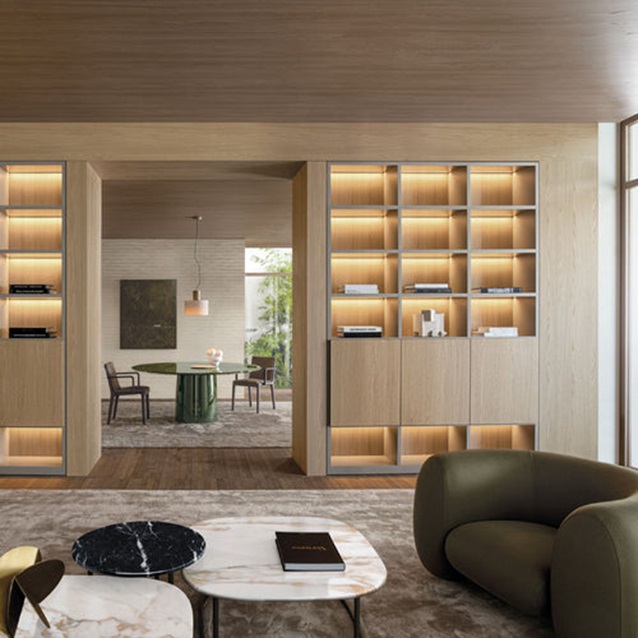
What do I look for in high-quality furniture? A well-designed piece delivers more than just appearance. Choose innovative luxury furniture and pay attention to the materials used, from the frame and finishes to the upholstery. Natural fabrics such as linen, wool, and mohair can bring a softer, more distinctive feel while developing character with use. Look for thoughtful design and newer approaches to materials or production, particularly if you want something that feels contemporary rather than ordinary. Good materials combined with careful craftsmanship can impact how a piece looks, feels, and holds up over time. If possible, view fabric samples in your own space and see how the colour and texture work with the rest of your room.
Construction Over Appearance
A beautiful sofa can have lovely linen upholstery and an impressive design, but what really matters is what’s underneath. When choosing designer furniture, take a closer look at the frame, suspension, and cushion filling. These hidden details have a big impact on how comfortable the piece feels and how well it holds up with regular use. Here are a few things worth checking:
-The frame: Look for a strong, well-made frame using properly dried hardwood such as ash or beech. Good joinery is important too, particularly around areas that take the most pressure. Strong joints, such as mortise and tenon, can help the frame stay stable and durable over time.
-The suspension: This is what supports you when you sit down. Luxury furniture with hand-tied springs is known for its responsive feel and durability, while serpentine or no-sag springs can also provide good support when properly made. The suspension should suit the design and be built to withstand regular use.
-The cushion filling: The filling affects both comfort and how the cushions look over time. Foam wrapped in feather can offer a useful balance of softness and support, while pure feather feels particularly plush but may need regular plumping. Foam is easier to maintain, although it can feel firmer.
Don’t be afraid to ask what’s inside a piece before buying it. A good supplier would explain how the frame, suspension and cushions are constructed. Those details may not be visible once the furniture is finished, but they can make a noticeable difference to how it feels and performs over the years.
Design Quality
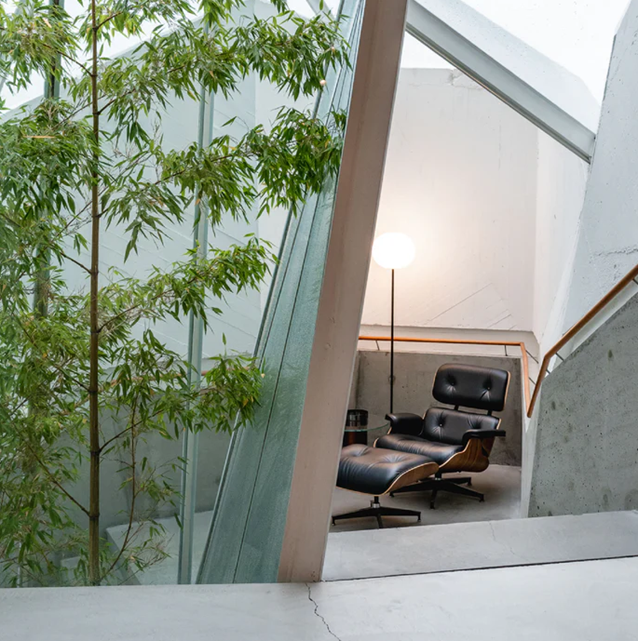
When you’re investing in modern furniture, think about whether you’ll still enjoy the design years from now. Trends come and go, but well-considered proportions, useful features and thoughtful details tend to stay appealing for much longer. Before deciding, ask yourself:
-Will I still like it in years to come? Try to imagine the piece in your home as your tastes change. A design that feels right beyond current trends is more likely to remain a favourite.
-Does it suit the room? Consider the proportions and overall shape rather than focusing only on its colour or finish. The right piece should feel like it belongs in the space.
-Is the design practical? Looks matter, but furniture also needs to work well for everyday life. Think about how you’ll use it.
-Does it have something distinctive? Small details, interesting shapes, or carefully considered finishes can give a piece character without making it feel overly fashionable.
The best designs have a sense of balance that goes beyond current trends. Look for furniture that feels considered, works well in your space, and has details you appreciate. That way, it can feel at home even as your décor and tastes change over the years.
Visit a Showroom
Photos can give you a good idea of how artisan furniture looks, but they can’t tell you everything. If you’re considering buying, visit a showroom to see the materials up close, feel the upholstery, and try the piece for yourself. You’ll get a much better sense of its comfort, size, and overall quality than you would from a screen.
If you’re making a significant purchase, consider seeing the furniture in person first. You may notice details, textures, or differences in comfort that aren’t obvious online. This helps you decide whether the piece is right for your home.
Cost vs Value
A lower price doesn’t always mean better value. While designer furniture may cost more upfront, a well-made piece can last for many years with proper care. Cheaper furniture typically needs replacing sooner, which can add up over time. Think about how long you expect to use the piece and how well it’s likely to hold up. Paying more initially can sometimes be the more practical choice in the long run.


About Author

emily
?The first draft is just you telling yourself the story. Likes: ❤️Cats ?, Dogs?, Chocolate Icecream ? Dislikes:? White Wine?, Chinese food ? Favorite song: ? Ashlee - Alone With You